Development
“Will I be OK?” Teen died after ChatGPT pushed deadly mix of drugs, lawsuit says
May 13, 2026 Development Source: Ars Technica
Share this article



But the family’s lawsuit alleged that OpenAI must be held accountable for 4o’s harms. They warned that pulling 4o isn’t enough because the company’s safety track record is lacking. Asking a court to order 4o to be destroyed, they explained that while “ChatGPT did express certain concerns about the high doses,” those “were the type of concerns one would expect from an enabler, not a caring loved one or a medical professional.”
“In one example, ChatGPT chillingly suggested that Sam’s tolerance meant he would be unable to reap the full benefits one might rightly expect from taking such a large dose of Kratom,” the lawsuit said.
They’ve accused OpenAI of designing ChatGPT to isolate vulnerable and naïve users like Nelson and encourage their dangerous drug use in a bid to profit from their increased engagement.
“It disguises danger through language that borrows trappings of authority and indicia of expertise—dosages, measurements, references to chemical processes and derivatives, etc.—even promising ‘complete honesty’ and ‘no-BS answer[s]’—to tell [Nelson] exactly what he wanted to hear: that he was safe enough to continue using,” the lawsuit alleged.
Chat logs shared in the complaint paint a stark picture. Over time, ChatGPT logged context that should have made it clear that Nelson was struggling with drugs, his parents alleged, such as noting that the “user has a major substance abuse and polysubstance abuse problem” and mentions that they “love to go crazy on drugs.”
Instead, the chatbot said to check back in an hour if his stomach was still hurting.
On that day in May 2025, Nelson took the doses that ChatGPT recommended and “died from a fatal combination of alcohol, Xanax, and Kratom,” his family’s lawsuit said.
In a press release announcing the lawsuit, Matthew P. Bergman, founding attorney of the Social Media Victims Law Center, accused OpenAI of designing ChatGPT to provide “distributed advice like a medical professional despite having no license, no training, and no moral compass to do no harm.”
“Sam believed he was receiving accurate medical guidance because ChatGPT generated outputs with the authority of someone he thought he could trust,” Bergman said. “That trust cost him his life. ChatGPT recommended a dangerous combination of drugs without offering even the most basic warning that the mix could be fatal. If a licensed doctor had done the same, the consequences under the law would be severe.”
In its defense, OpenAI may share logs showing that ChatGPT sometimes pushed Nelson to reach out to emergency hotlines and find support in the real world. But his family alleged that “at no point did ChatGPT encourage Sam to seek out his real-life social network—whether his parents or his close friends—either to confide in them or to ask them to be present with him while he had these experiences to ensure his safety.”
According to the family’s legal team, OpenAI could struggle to defend against the claim, due to a California law that took effect this January. That law prohibits AI firms “from attempting to shift blame for a plaintiff’s loss to the purported autonomous nature of AI.” So, if Nelson’s parents can show harm, OpenAI can’t blame ChatGPT for the way it functions.
In a loss, OpenAI, its CEO Sam Altman, and its largest investor, Microsoft, could face substantial damages, including punitive damages, which would help the family recover from economic harms, including covering Nelson’s funeral costs.
The family is also seeking an injunction forcing ChatGPT to shut down any discussions of illegal drugs, as well as detect and block any circumvention methods. They also want the retired ChatGPT 4o model destroyed and for ChatGPT Health to be paused until an independent audit establishes that OpenAI tools can be trusted to dispense medical advice.
“Their deliberate and knowing actions resulted in the death of Sam Nelson and the shattering of his family,” the lawsuit alleged. “Their decisions will continue to inflict harm on countless humans if they continue to operate unchecked and with no appreciable risk of accountability for the harms they are inflicting on American children and families as a matter of design.”
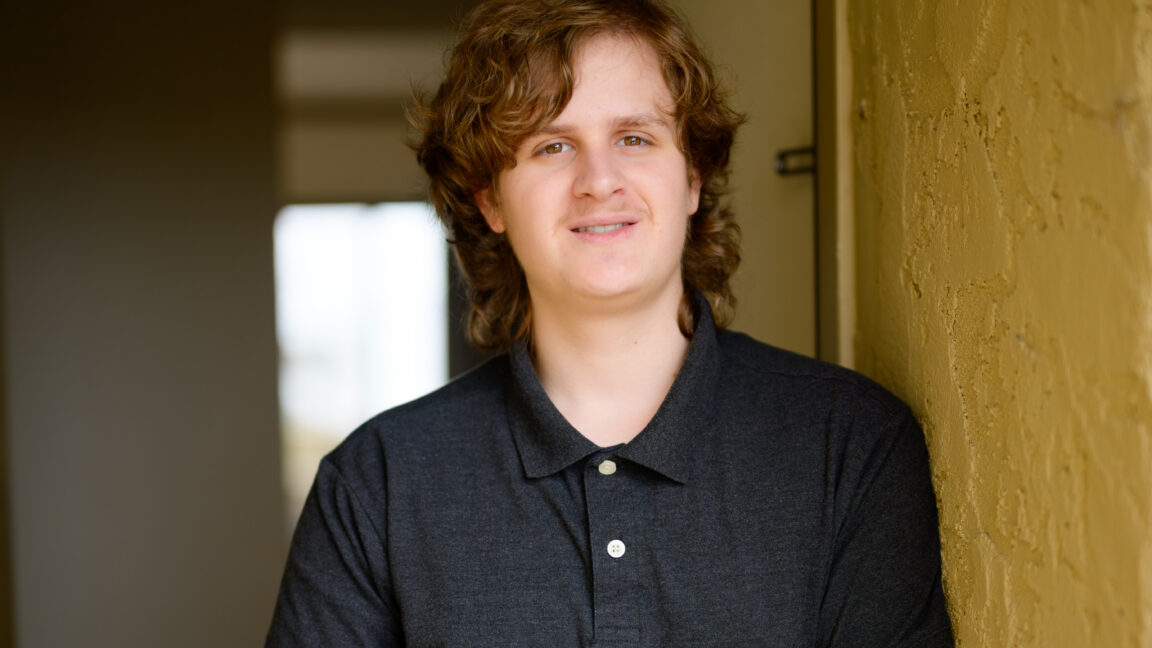
Nelson’s mom, Turner-Scott, wants her son to be remembered as a “smart, happy, normal kid” who was studying psychology, loved playing video games, and adored his cat Simba.