
Development
A promising Indian launch startup nears its first orbital test flight
May 11, 2026 Development Source: Ars Technica
Share this article



Failure, he realized, was the most likely outcome.
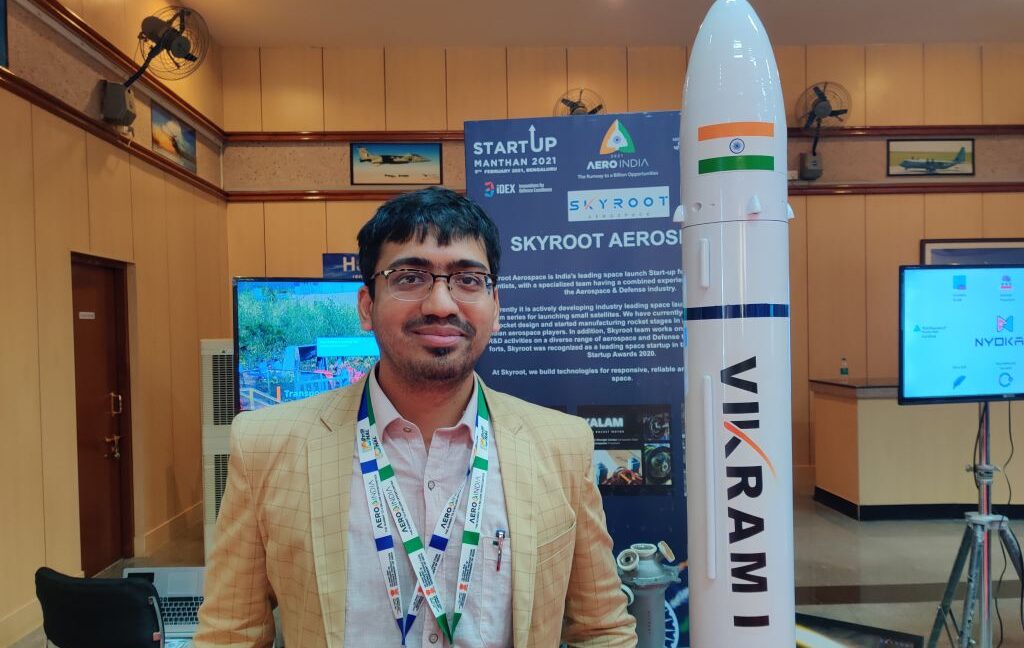
For the first couple of years, a small team worked on concepts and designs. Early on, they decided to start with a solid-fuel design for the first stage because they understood it best and believed it offered the straightest path to the launch pad.
“We wanted to get to an orbital launch vehicle in a few years,” Chandana said of the choice to use solid-rocket fuel. “India has a really strong ecosystem there. And we believe that, with small launchers, they will be expendable. And the whole architecture has to scale to mass produce them at scale. So we optimized for the lowest development time and the lowest cost per launch.”
Chandana said building the individual components of the rocket, such as the engines, avionics, and separation systems, has been a fairly straightforward process. But integrating these into a single vehicle and testing the whole system has been “very, very challenging.” Still, the company is now in the final stretches of testing, and a launch could come this summer.
“It’s a test launch,” he said. ” Statistically, the first launch from a private company almost always fails. It’s very difficult to succeed with all new systems. But I think we have done everything we can do to ensure the first launch goes well.”
The risk Chandana took in founding Skyroot before India opened up its space industry has paid off. The company appears to have a lead over its other competitors in the Indian launch startup ecosystem, such as Agnikul Cosmos. And the Indian government is now really leaning into the commercial space industry.
Jitendra Singh, India’s minister of state for science and technology, has said he wants the country to grow its share of the global space economy from 2 percent to 10 percent by 2030. And Prime Minister Narendra Modi has told the industry to increase its annual launch total from about five launches annually to 50 before the end of the decade.
For this to happen, Skyroot and other Indian companies will need to step up. Chandana said the recent funding will enable the company to continue working on the line of Vikram rockets, eventually building larger vehicles with liquid-fueled engines.
“We talk to customers every day, and we know how challenging it is to have real, regular, and affordable access to space,” he said. “And that’s the problem we are working to solve. We will be operating much larger vehicles, fully reusable, on a regular basis, with a daily cadence from multiple countries. That’s the aspiration for the company.”