Development
Everyone’s a loser in Strait of Hormuz game that simulates global crisis
May 8, 2026 Development Source: Ars Technica
Share this article



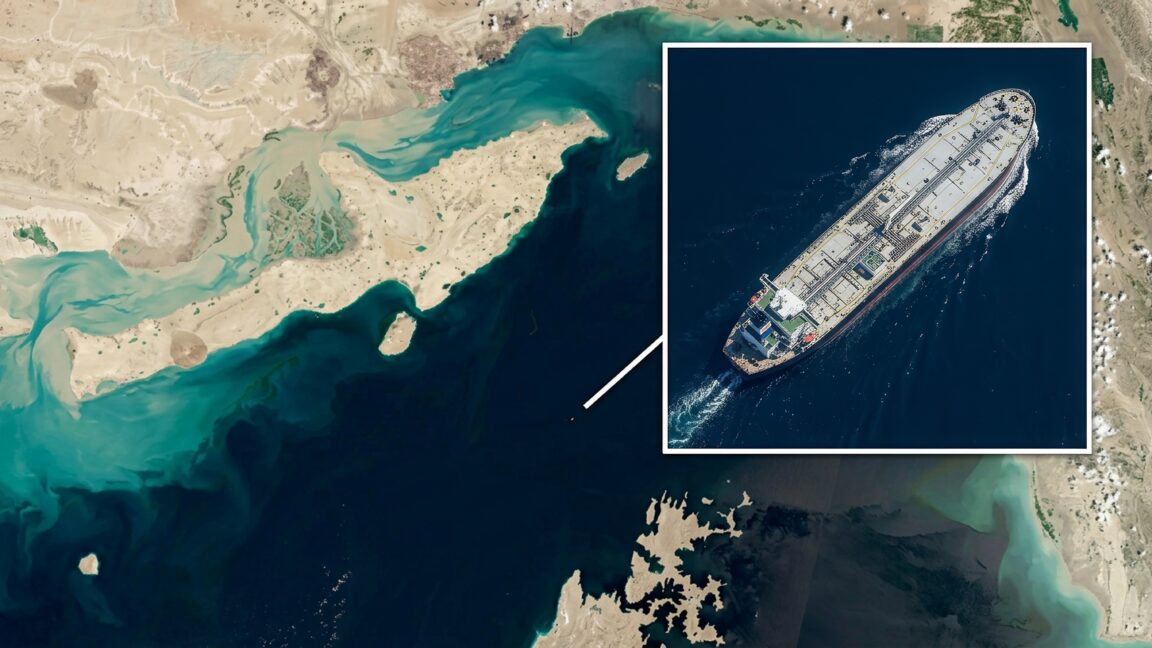
It’s no fun living through the global energy shock and growing economic crisis that has ensued since the conflict choked off shipping through the Strait of Hormuz. But it can be enlightening to play through the new game Bottleneck that forces players to choose among the 2,000 ships still stuck in and around the strait—all while actual news reports and real maritime transit data help tell the story of the unfolding events.
The free browser-based game challenges players to act as a fictional maritime coordinator by selecting a handful of ships that get to pass through the strait each day. Most decisions come with serious costs or trade-offs, whether it’s paying the toll imposed by the Iranian government that has claimed authority over the strait or antagonizing Iran or the United States while pushing either side toward widening the war. Failure to push through enough specific shipments can spark individual crises involving the price of oil, food, and water security, and a countdown to famine in many countries.
“The game does not ask whether you are smart enough to solve the crisis,” said Jakub Gornicki, the journalist and artist who developed the game, in a post. “It asks what kind of damage you choose when every option has a cost.”
Players must also manage relations with factions beyond Tehran and Washington, such as the Gulf States, the United Nations World Food Programme, and the shipping industry. Prioritizing shipments of crude oil and liquefied natural gas may satisfy the US’s interest in keeping energy prices in check, but it will erode the trust of the United Nations, which would rather see more ships carrying fertilizer to stave off future famine.
That may sound like a lot to wrap your head around for a game that is playable in 15 to 20 minutes, but it’s a surprisingly accessible experience for the most part. The game serves up plenty of explanations and news articles that you can click on to better understand the real-world context and in-game consequences.
However, each ship approved for transit tends to carry a greater cost or trade-off as the game progresses over 10 playable days between March 3 and April 13, 2026. You have the choice of not sending any ships through the strait on any given day, but that can quickly lead to dismal endgame results, like “empty shelves” and “desalination collapse” for Gulf States facing food insecurity and a lack of fresh water from energy-starved desalination plants.