
Development
From impulse purchase to pocket studio: The M-Vave FM-1
October 26, 2026 Development Source: Ars Technica
Share this article



Before you rush to AliExpress, be aware that flashing custom firmware comes with risks. The JieLi chip powering the FM-1 keeps firmware in a single flash bank, so an interrupted update can leave the device in a difficult-to-recover state. As long as the flashing process completes without interruption, you should be fine. But nothing is foolproof, and there’s always a risk of bricking a device if something goes wrong.
While not an absolute hard rule, there is a prominent community recommendation to avoid flashing one custom firmware directly over another. To minimize bricking risks, some users suggest rolling back to the official stock firmware (v15) via M-VAVE’s official updater first, and only then flashing the next custom firmware build. Alternatively, you can use TransitFM1—a dedicated lightweight bridge firmware by Quixotic7 designed with crash-guarded boot stubs and stock V15 identity emulation to safely transition between custom builds.
Some other tips I picked up along the way from community discussions and my own mistakes:
What better way to measure the value of any electronic device than asking, “will it run Doom”?
I put together a four-track beat loop after about 15 minutes of fiddling with the firmware. I just felt my way around in the dark, auditioning sounds and slipping them in wherever I thought they fit. It was about as simplistic as it gets, but with some time and practice, I think I could churn out something worthwhile. If it was this straightforward for me, just imagine what someone with actual musical talent could achieve.
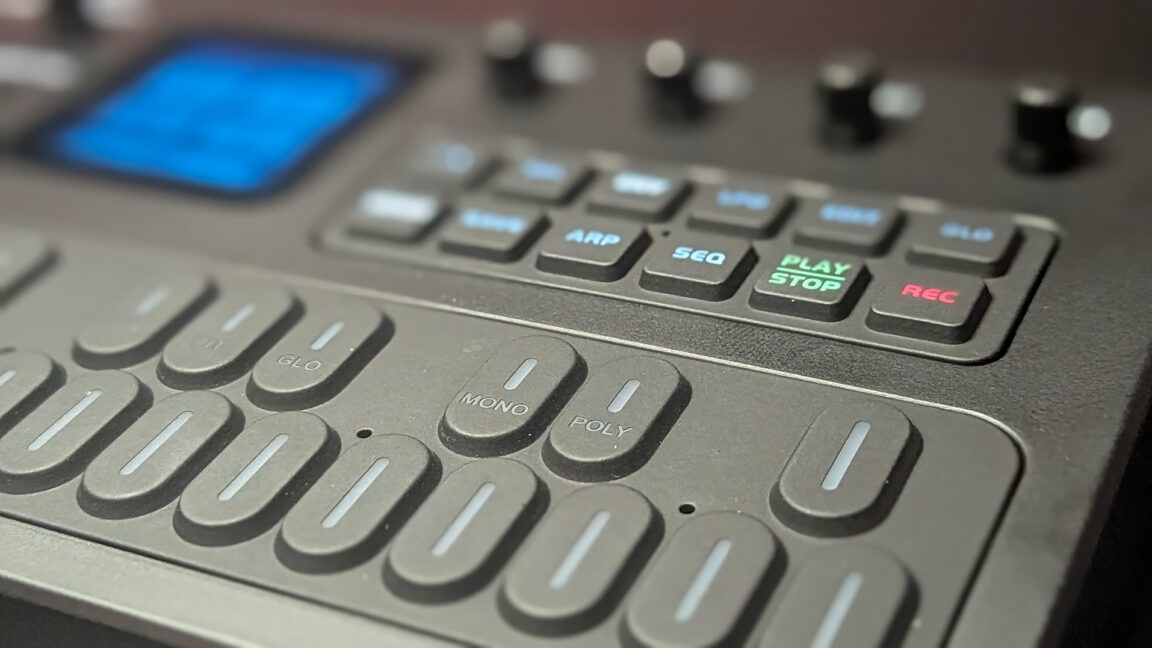
I’ll admit that my fingers were occasionally too big for the task. The FM1’s soft-touch keys feel great, but my index finger sometimes slipped off the intended note and onto an adjacent key. It’s not a dealbreaker, but there were a few times I had to retry a part due to hitting a wrong note.