Development
Forget "Malaise 2.0," GM says it's still all-in on EVs and autonomy
October 22, 2026 Development Source: Ars Technica
Share this article



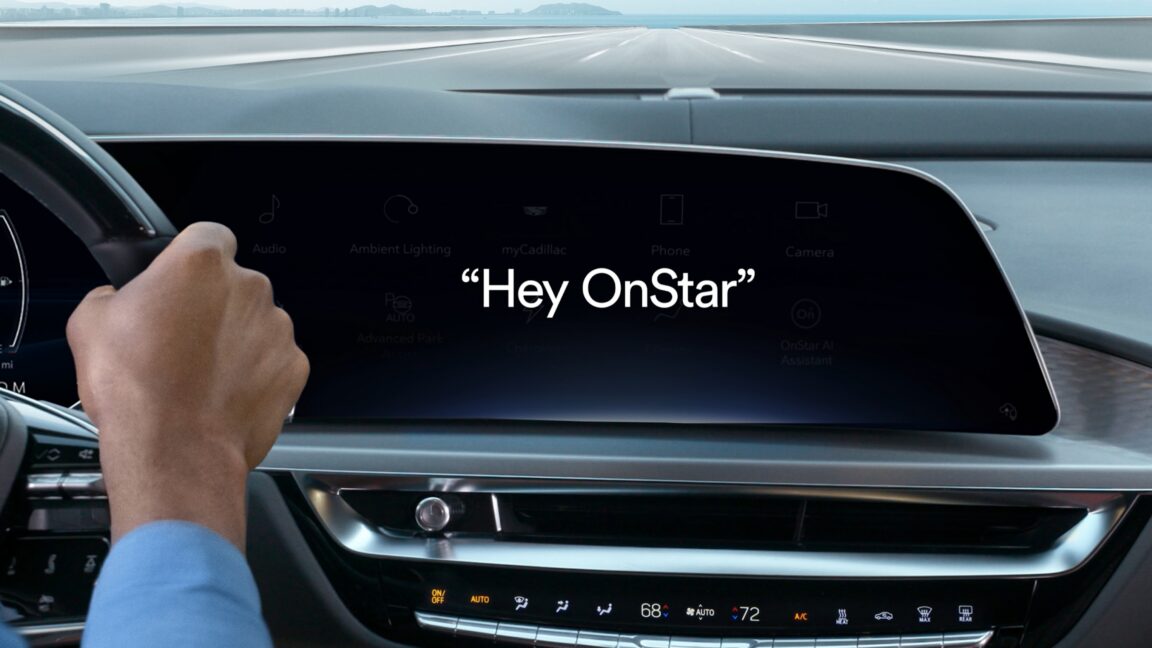
Trust is the key here, and Anderson reiterated that several times, suggesting that a car might be a more trusted piece of technology than a mobile phone. “People have a relationship with their cars that they don’t have with other things,” he said. “If your phone randomly suggested your favorite restaurant, it might give you pause, but if your car did so within the appropriate context you might be more willing to accept that.”
OnStar AI will do more than just learn your habits; it will be able to help you better understand and better use your vehicle, we’re told. For example: a driver hears the car beep but doesn’t know what the alert was for. In this case, they could ask OnStar and it would be able to tell them—for example, a speed limit warning. Being a specialized AI trained specifically on the details of the car, it can be integrated in a way that other models, like Google’s Gemini, cannot.
The second key here is roadcraft. That means making sure that the vehicle isn’t creating a hazard or problem for other vehicles on the road. You’ve likely seen videos where Waymo vehicles are all crowded on a street blocking traffic: That’s not something GM wants its cars to do.
Eventually, all of this leads back to the idea of a car working for you for tasks that aren’t just driving places. Your car could go pick up your dry cleaning, or at least drive there and wait while someone comes out and deposits the clothes inside it. You could ride to school with a child, both sitting in the back seat, reclaiming some time together because the car is doing the mundane task of driving.
It’s an interesting idea and will only happen if consumers trust GM and their vehicle enough to do that, something we won’t know until closer to that technology maturing.