
Development
Recording device hidden in toilet paper found in top-secret OpenAI meeting room
October 14, 2026 Development Source: Ars Technica
Share this article



It took OpenAI two days to notice that a recording device was hidden in a restricted executive conference room where leadership met to discuss highly confidential information, including technical progress, government engagements, and commercial partnerships.
Only those with special clearance are supposed to access that room. But the FBI believes the recording device was planted by Abdulrahman Alfozan, a 35-year-old engineer from Saudi Arabia, who became a permanent US legal resident in 2020. In a press release Tuesday announcing his arrest, the FBI alleged that chatbot logs and CCTV footage suggested that Alfozan—who worked as an OpenAI engineer for more than a year—sought to use the device to spy on OpenAI and risked leaking trade secrets in a way that threatened national security.
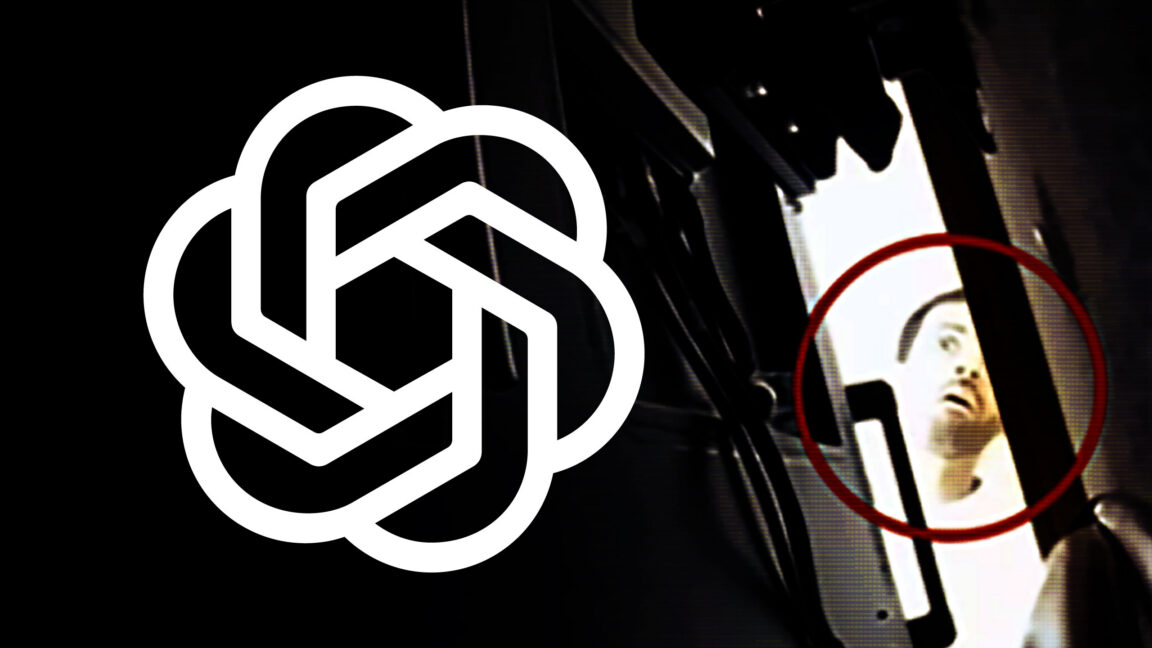
To conceal the USB device, Alfozan allegedly wrapped it in toilet paper, then plugged it into the back of a conference room television. The device was likely planted on September 28, and OpenAI found it on September 30 and quickly determined that its contents were encrypted, the FBI said. Days later, on October 5, OpenAI installed a camera in that conference room, and the CCTV footage allegedly showed Alfozan attempting to retrieve the recording device that same day.
Citing a Trump memo ordering coordinated efforts to maintain America’s AI advantage, FBI Director Kash Patel celebrated Alfozan’s arrest and vowed to continue policing efforts to spy on frontier labs like OpenAI.
It’s “essential to safeguarding our nation’s economic strength and national security, and the FBI views that mission as one of our highest counterintelligence priorities,” Patel said.
OpenAI hired Alfozan in July 2025, but the record suggests that he started acting suspiciously in the past few months.
In August, Alfozan allegedly used an OpenAI productivity agent to figure out where and when sensitive meetings were held, a recently unsealed affidavit submitted by FBI special agent Lydia Liang said.
CCTV footage allegedly caught Alfozan lurking outside the executive conference room on 10 different days in September alone, Liang noted.
Even more troubling to the FBI and OpenAI, it seemed that Alfozan had either deemed his plot successful and planned to plant another device or had noticed the camera stopped working and attempted to swap it out.
On the day he was seen checking behind the conference room TV, Alfozan also reported to OpenAI’s lost and found that he lost a bag. That bag had been left unattended in a printer room, the FBI said, where security personnel found it and discovered another Seeed device inside.
Alfozan seemingly did not suspect he had been caught, as he returned to the lost and found the next day and complained about missing items from the bag. When listing what had been taken, though, he did not mention the second recording device.
It remains unclear who the secret recordings were intended for, but that information may soon come out, as officials seem inclined to make an example of Alfozan at a time when maintaining AI dominance is a top Trump administration priority.
US Attorney for the Northern District of California Craig Missakian said he would keep an eye on emerging threats in Silicon Valley.
“The Bay Area and Silicon Valley lead the world in developing tomorrow’s technology, and our Office will continue to stand at the forefront of protecting that American innovation,” Missakian said. “For us, it is a matter of national security. This arrest highlights our relentless efforts in partnership with the FBI to identify and prosecute those who seek to steal our technology, as alleged in the complaint.”