Development
Texas city demands $2M for public records on Flock usage
October 6, 2026 Development Source: Ars Technica
Share this article



Additionally concerning are officials who deny requests outright. Consider that the Tribune reported that the state Department of Public Safety has sought help from “the Attorney General’s Office to allow it to withhold the entirety” of Flock data that the Texas Tribune has requested. And that denial came after DPS had already responded to an identical request seeking data from prior weeks, the Tribune noted.
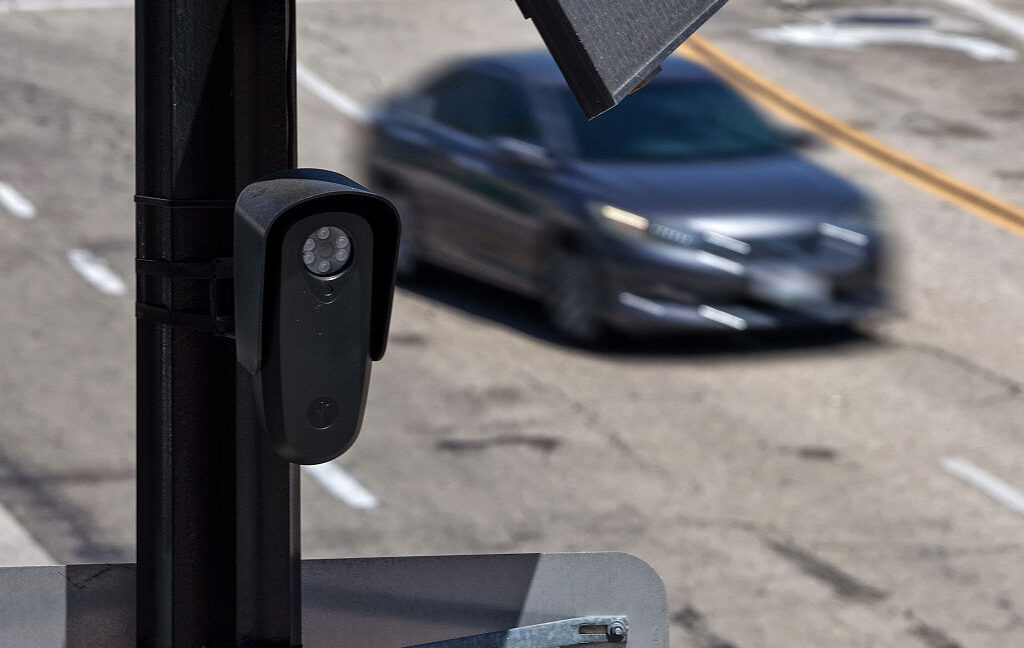
Flock maintains that its automated license plate readers (ALPR) are designed for public safety, while courts have largely agreed that cops can reasonably access Flock databases without infringing Fourth Amendment rights. But ongoingly, there are cases dominating the headlines that show a widening web of privacy risks, including not just illegal surveillance by police but also hackers or bad actors improperly accessing data that can be used to track people’s daily movements.
Courts may start to rethink their stance on Flock, with one federal judge in Oklahoma last week ruling that a cop conducted an unconstitutional search when searching a Flock database simply because a woman’s license plate was from California,” 404 Media reported.
For members of the public increasingly scrutinizing Flock cameras over unconstitutional searches and other privacy concerns, it’s hard to know basic things, like where the cameras are posted, who’s looking at the footage, how often the data is accessed, and how long the data is stored.
Public records requests can help answer these questions, and sometimes police choose to voluntarily share it, using optional “transparency portals” that Flock builds. Those portals log statistics like total number of cameras, vehicles scanned, or police searches in a given area.
Flock spokesperson Andrew Smith told the Texas Tribune that the portals “give agencies a public-facing way to publish information about their [ALPR] programs, including policies, usage, and access rules to help communities better understand how the technology is being used.”
However, very few agencies seem to be opting in to the sharing. In Texas, there are hundreds of agencies using Flock cameras, and only 59 agencies use transparency portals, the Tribune reported. Of those, just 16 share data with the public.
Without courts requiring warrants or state and local officials requiring more transparency, Flock cameras will continue tracking movements in ways that the public doesn’t fully understand, advocates warn. And new privacy risks may emerge as AI makes it easier to process data across the ever-broadening network.
Michael Soyfer is a lawyer at the Institute for Justice who “has studied Flock camera abuse and is litigating several cases on Fourth Amendment grounds,” 404 Media noted. He suggested that without more transparency on how police are using the cameras, Flock may end up building tools to support some of these police misuses the public dislikes, such as automating the type of alerts used when tracking vehicle movements that have raised false suspicions or caused wrongful arrests.
“We’re seeing that repeatedly with police flagging whatever they’ll call suspicious patterns of movement. Federal agents were using ALPRs to monitor cars making day trips across the border and back to manufacture a basis to stop them, interrogate the drivers, and search them,” Soyfer told 404 Media. “I think Flock is going to automate that, using AI where cops can set alerts for those kinds of travel patterns.”