Development
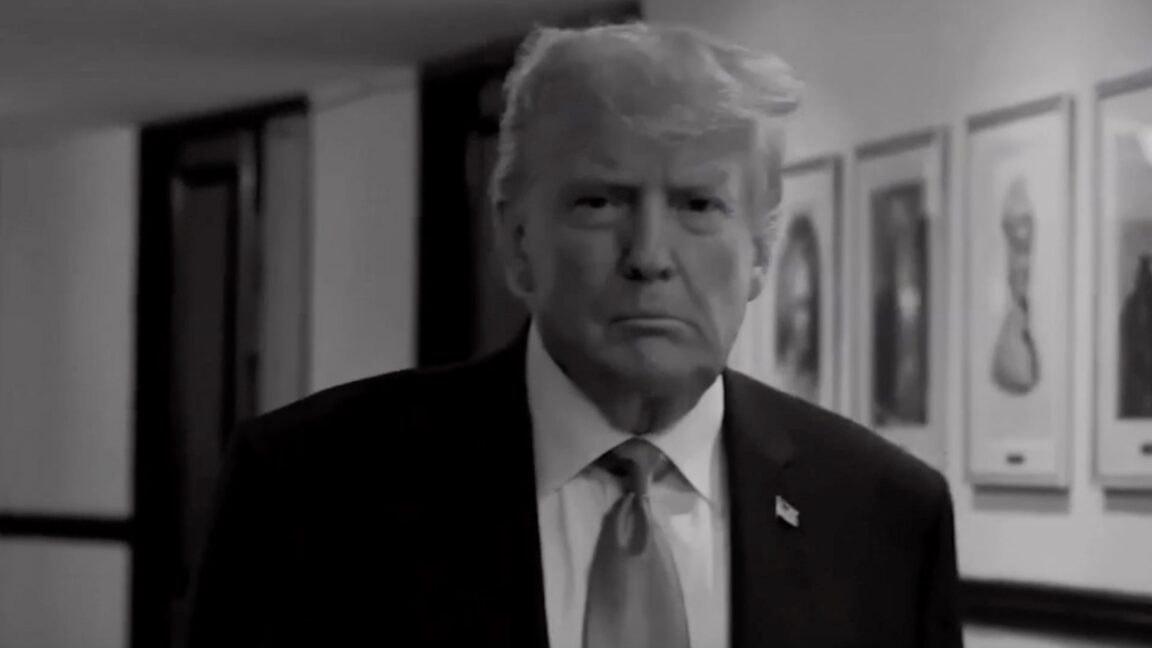
Trump ads paid for by US government allegedly violate anti-propaganda laws
September 30, 2026 Development Source: Ars Technica
Share this article



Public Citizen, the nonprofit founded by Ralph Nader in 1971, said it “strongly urges the Federal Communications Commission and Federal Trade Commission to direct broadcasters to stop broadcasting these apparently illegal campaign advertisements.” We contacted the FCC and FTC about the Public Citizen letter today and will update this article if either provides any comment.
It’s highly unlikely that the FCC or FTC would order broadcasters to stop running the Trump ads. FCC Chairman Brendan Carr’s history of attacking broadcasters that Trump dislikes suggests he is more likely to threaten the licenses of broadcasters that refuse to run the ads. Both Carr and FTC Chairman Andrew Ferguson also backed Trump’s expansion of power over nominally independent agencies like the FTC and FCC.
Senate Democrats said in a letter to Homeland Security Secretary Markwayne Mullin today that Trump is “illegally using Americans’ tax dollars to fund government propaganda and to put ads from his 2024 campaign back on the air. So far, it appears DHS has dedicated $20 million to this outrageous scheme, tapping funds provided to US Customs and Border Protection in Republicans’ ‘One Big Beautiful Bill Act’ for commemorative events relating to border security.”
The senators’ letter cited an estimate from analytics firm AdImpact “that over $1.7 million in federal funds have already been spent simply airing these ads.”
Broadcasters would likely be wary of rejecting the Trump ads. ABC owner Disney, which is fighting an FCC proceeding that could block renewal of its station broadcast licenses, said in a lawsuit that its editorial decision-making has been affected by FCC threats.
ABC’s The View hasn’t aired any interviews of political candidates since the FCC began the proceeding, and Jimmy Kimmel said he put an interview with a Democratic candidate on YouTube instead of broadcast TV so that local ABC stations wouldn’t have to deal with fallout from the FCC. The FCC historically exempted interviews on daytime and late-night talk shows from the equal-time rule, but the Trump FCC has upended that long-standing policy.
The Hatch Act prohibits federal employees from engaging in some kinds of political activities. It does not apply to the president, but Public Citizen said “the ad was conceived, produced and distributed by White House staff using government resources for partisan purposes.”
When contacted by Ars, the GAO did not offer any comment on the Public Citizen complaint. “Our work is done at the request of congressional committees or subcommittees or is statutorily required by public laws, per our Congressional Protocols,” the agency said. We also contacted the OSC and will update this article if we get a response.
US Rep. Jamie Raskin (D-Md.) last week said the Trump ads “may be felony criminal theft and conversion of government property for political campaign purposes,” and “a Hatch Act violation for any government employees who worked on it or used government resources to make it. It is blatantly unethical under numerous federal ethics provisions proscribing the use of government resources for political campaigns.”
Four Democratic Senate and House lawmakers told the White House in a letter, “The law is not complicated. You cannot use taxpayer dollars for political advertisements.” Senate Majority Leader John Thune (R-S.D.) reportedly said that although he likes the Trump ad’s message, “It shouldn’t be paid for with taxpayer dollars.”
Sen. John Kennedy (R-La.) similarly said he opposes using government money for Trump ads. He has also criticized Kristi Noem, the former secretary of Homeland Security, for a $220 million ad campaign.
“I don’t think any public official, including President Trump or Kristi Noem or John Kennedy, should spend public money on private ads for themselves,” Kennedy said in a CBS interview. “Now, the White House sees it differently, but I don’t… you can’t spend public money to promote yourself.”