
Development
America gave up its rare earth edge. China took full advantage.
September 23, 2026 Development Source: Ars Technica
Share this article



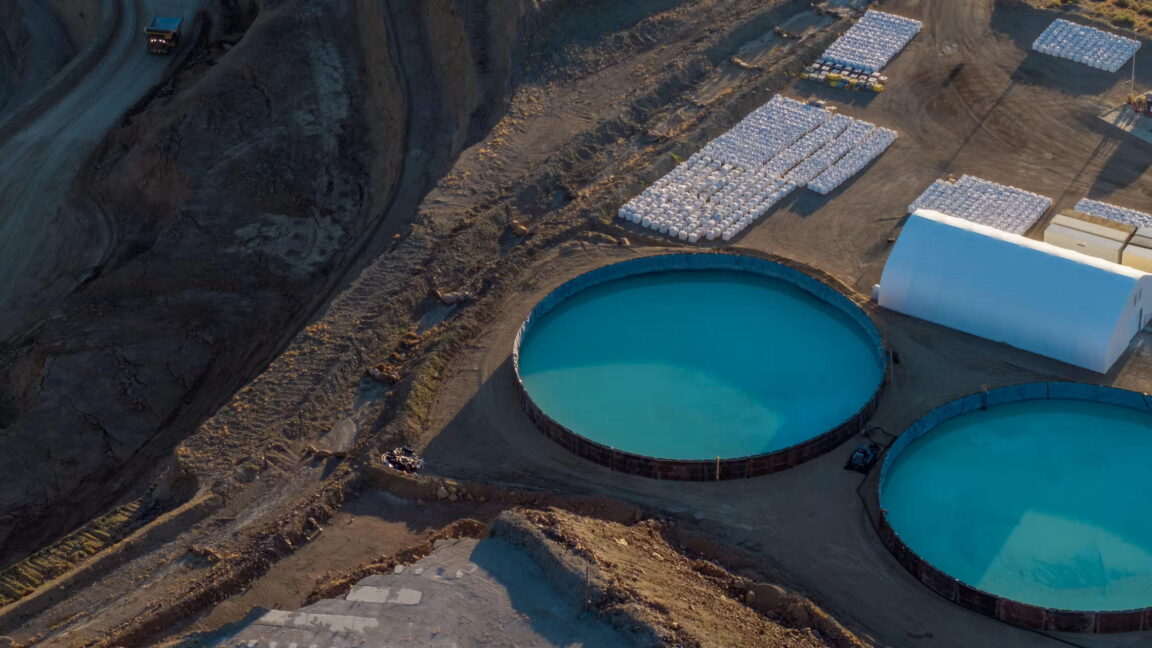
California’s Mountain Pass mine led world production of rare earths until the late 1980s. Multiple instances of radioactive wastewater spilling from the mine into the Mojave Desert made it hard to keep domestic production running.
When China expanded its own mining and sold the processed materials for less, the logic of switching rare earth suppliers was easy.
Mountain Pass’ separation plant closed in 1998, and the mine itself stopped in 2002. MP Materials restarted mining there in 2017 as concern about access to rare earth minerals rose, but the US still imported more than two-thirds of the rare earth elements it used as recently as 2025.
On June 22, 2026, China’s Ministry of Commerce put 10 US companies on its export control list. Neither Chinese nor foreign firms can sell those companies any goods that have both civilian and military uses. Most of them build drones, radar, aerospace systems, and military vehicles. Two of them—MP Materials and USA Rare Earth—are the federally backed American companies furthest along in building a mine-to-magnet chain.
Beijing said its move was a response to a similar move by the Pentagon. My interpretation is that China picked MP Materials and USA Rare Earth because they are best placed to reduce America’s need for Chinese processing.
An extension of the pause on Nov. 10 would honor the truce, but the heavy rare earth licenses and the June 22 ban on the targeted firms would still apply. The truce means both parties get to play nice. It doesn’t mean they are being nice.
For the US, leaving processing in China is the fastest and cheapest solution, but that leaves it exposed to Beijing’s restrictions.
Rebuilding a US rare earths supply chain would remove most US dependence on China for rare earths and the political leverage it implies. But it would take longer, startup costs run to the billions of dollars, and separation produces acidic, and sometimes radioactive, residues.
Building a supply chain with allies such as Australia or Japan, both of which have started to build capacity, would lower the risk of the US being cut off unilaterally. Japan has run this play with some success, but the suspended Chinese rules affect any use of their technology abroad.
President Xi’s Sept. 24, 2026, meeting with Trump may help determine the status of the Nov. 10 restrictions, but the larger conflict over leverage will continue.
Charles Edward Gehrke is a Sloan Fellow at the Massachusetts Institute of Technology (MIT)
This article is republished from The Conversation under a Creative Commons license. Read the original article.