
Development
Steam Frame: The Ars Technica review
September 14, 2026 Development Source: Ars Technica
Share this article



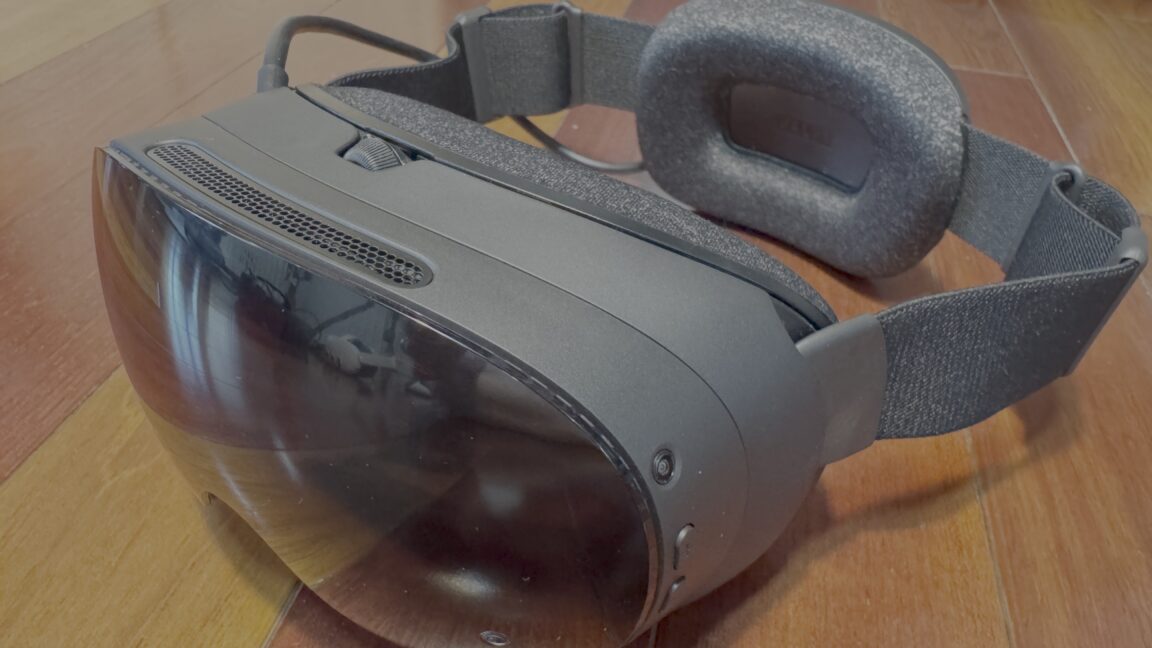
The somewhat awkwardly shaped Steam VR controllers of the Vive and Index have been replaced with new versions that mimic the look and feel of the Meta Quest standard to an almost ridiculous degree (with the addition of some added buttons and a d-pad on the Frame for good measure). The Frame even sports fancy extras like eye-tracking for effective foveated rendering in the center of your vision and an SD card slot for expanded storage (you can also splurge for a $1,299 Frame version that upgrades the internal storage from 256GB to 1TB).
To max out both graphical performance and battery life, the best option for many Steam Frame owners will be wireless streaming of VR games running on a nearby PC with a full-fledged graphics card. The Steam Frame comes with a dedicated 6 GHz Wi-Fi USB dongle that works with your Wi-Fi setup to make wireless streaming as consistent and latency-free as possible.
As someone who has tried many in-home game streaming solutions in the past, I was skeptical that a wireless connection could be solid enough to maintain an immersive VR experience. But I was pleasantly surprised by the quality of the Steam Frame’s dongle-aided streaming. The wireless connection generally had five to ten milliseconds of ping according to SteamOS’s on-screen display, a reasonable price to pay for the frame rate and resolution bumps provided by a PC graphics card. The only real issue was setting up that connection, which sometimes required restarting the stream a number of times and/or fiddling with the SteamVR app loaded on my desktop.
Following the Steam Deck Verified program, Valve has crafted a list of “Great on Frame” games it says should run without issue on the headset. But that list thus far includes only a few dozen of the thousands of SteamVR games, yet it still lists at least one (I Expect You to Die 3) that I was unable to load on the Frame at all.
Steam Frame owners can at least revel in Half-Life: Alyx, which is included with every Frame purchase and is as close to a “killer app” exclusive as Valve has in the VR realm. Valve says squeezing the full Alyx experience onto the Frame “required over a year of extra software work within the Vulkan drivers and SteamVR,” as well as a lot of Alyx-focused software optimization and hardware-based foveated rendering. That work has paid off, as the “standalone” version of the game offers relatively few compromises when compared to its Windows cousin (which you can still stream to the Frame from a desktop for better graphical fidelity).