
Development
Did poop enable the evolution of complex animals?
August 12, 2026 Development Source: Ars Technica
Share this article



“The advent of fecal pellets,” wrote Kimming and Bicknell, “provided an additional source of organic carbon, as well as iron, nitrogen, and phosphorus, to deeper waters. … In this framework, fecal pellets significantly boosted support for marine animal life and possibly supported the diversification and increased Cambrian biomass.”
Mats of bacteria thrived on this fecal feast, and some animals came to graze on the bacteria. Other, larger animals show up to eat them, converting at least some of their biomass back into poop. (Ah, the circle of life.)
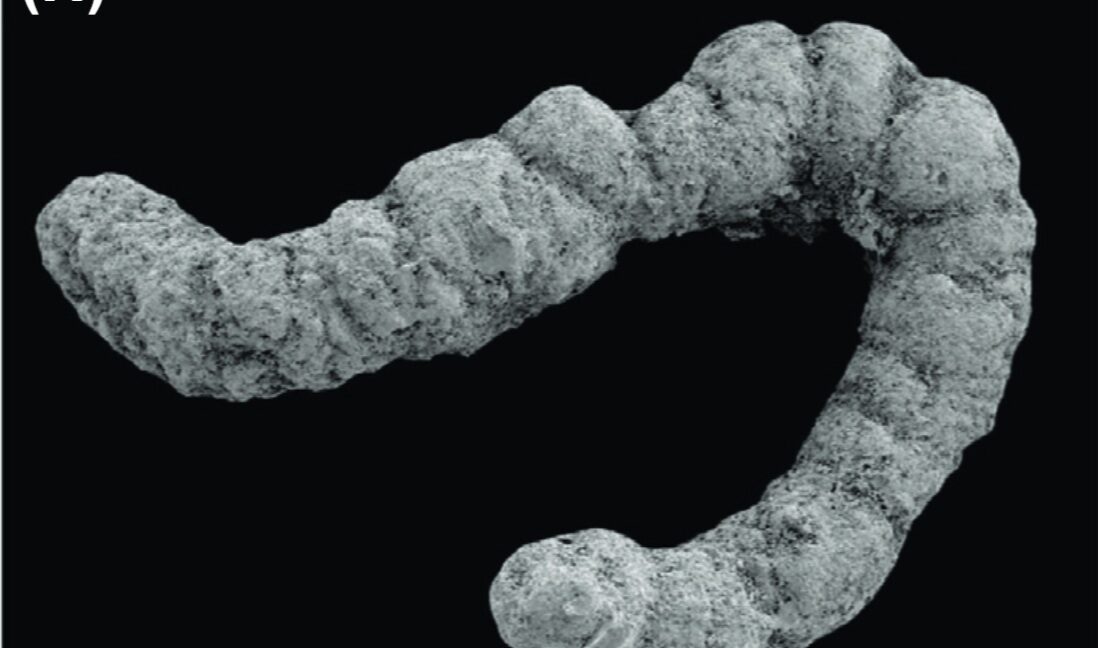
At a fossil site in northwestern Canada called Raven’s Throat River, the mudstone still holds 500 million-year-old coprolites, some as wide as five centimeters, along with complete fossils of trilobites and mollusc-like hyoliths with conical shells. “In many cases these associated fossils are preserved fully articulated and appear to be in feeding position,” wrote Kimming and University of Saskatchewan paleontologist Brian Pratt in a 2016 paper about the site. The researchers concluded that the Cambrian animals were probably snacking on either the coprolites themselves or on the microbial communities growing on them.