Development
Man invested $45M in a Nicolas Cage movie. It got stolen off Netflix’s desk.
July 31, 2026 Development Source: Ars Technica
Share this article



“Netflix disputes any claim that it bears the risk of loss for a film delivered without the proper industry-standard safeguards,” Netflix’s spokesperson said. “While we do not own the rights to Fortitude, we take content security seriously and have taken extra measures to support the filmmaker and his team. This includes conducting a thorough investigation and offering to monitor known piracy sites for any unauthorized distribution or sale. We have declined to share anything about our ongoing investigation with the law firm representing Simon Afram, given their hostile attempts to extort money from Netflix over this situation—including immediately demanding $165 million for the film rather than work with us in good faith.”
Afram was so passionate about telling the story of a real-life World War II spy who became the inspiration for Ian Fleming’s James Bond novels and films that he was willing to personally invest $45 million to make the biggest blockbuster he could.
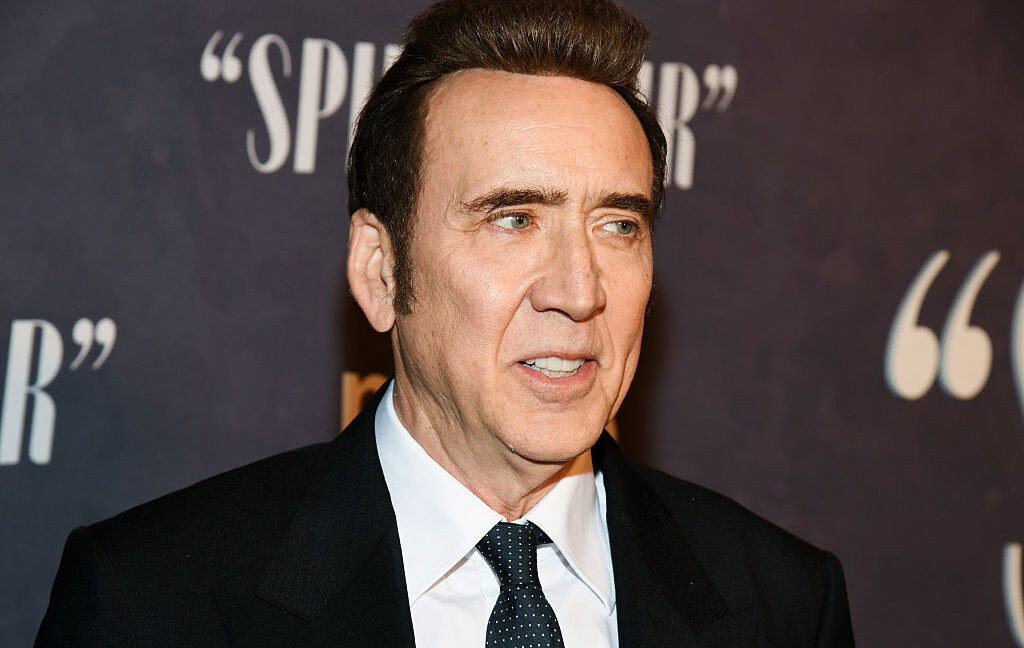
It took seven years, but he made the movie, Fortitude, which he describes tonally as a cross between Ocean’s Eleven and Inglourious Basterds. Directed by Simon West, the film features Nicolas Cage and Sir Ben Kingsley leading an all-star ensemble cast. It follows double agents setting a trap for Adolf Hitler, and it was shot on 35-millimeter celluloid to make it look and feel like the time it represents, the complaint said.
“This timing allows us to test the content and ensure a streamlined screening,” Netflix’s instructions said.
The production company asked Netflix in person and in writing to agree to delete any files transferred to a projector during screening and to arrange to promptly return the screener after viewing.
Days went by, though, and although Netflix acknowledged that it received requests to return the screener, it “failed to arrange is return.” After more than a week had passed, Netflix stopped responding, the complaint said.
Finally, Op-Fortitude’s representative pressed Netflix to return the screener immediately. That’s when Netflix’s Berney admitted that the drive had been stolen. Netflix claimed that it had been on “high alert” for a week while working with security teams, but they’d had “no luck” identifying the thief or recovering the stolen drives.
“Netflix had known about the theft” for “days or even a full week,” the complaint said, but did not notify the production company. And now Netflix is evading accountability, the complaint suggested, despite knowing it could have taken steps to protect the movie while in its care.
Netflix left the [drive]—which Netflix knew to be unencrypted—on an office desk where it could be picked up and stolen, rather than exercising even minimal security measures, such as storing it in a locked or otherwise secured location, storing it in a location monitored by security cameras, requiring a staff member to assume responsibility for its location and security the entire time it was in Netflix’s custody, and/or otherwise controlling and tracking its chain of custody.
In a statement provided to Ars, Afram confirmed that he continues to see “tremendous interest” in the film and he hopes to find the right partner for distribution as “the worldwide rights remain available. “
“I spent seven years of my life bringing this incredible true story to the screen,” Afram said. “But this film was never mine alone. It belongs to the extraordinary cast and their performances of a lifetime that deserve to be seen and recognized. It represents the moment these artists have earned, the story the survivors and their families entrusted to us, and seven years of work by hundreds of people.”
Neville Johnson, counsel for the plaintiffs, added: “Our clients Op-Fortitude Ltd. and Simon Afram do not take litigation lightly, but they believe that they have an obligation to the cast and crew of the Fortitude film to honor their exceptional achievements, to the individuals whose incredible bravery is portrayed in the film, and to their families and other survivors, to ensure that their rights are protected and that this film is given the recognition, respect, and accolades that it deserves. “
For Afram, the frustrations don’t end at the theft. He has alleged that Netflix “failed and refused to provide Plaintiffs with any information about the nature, scope, status, or results of any investigation or other security efforts” to reclaim the stolen property.
Afram’s team can’t even confirm if a police report was ever filed, the complaint said. It seems “telling,” however, that Netflix refused their request to involve the Los Angeles Police Department in its internal investigation, the complaint said.
Netflix claims that it stopped coordinating with Afram’s legal team after the money demand was made, but Afram’s team accused Netflix of hiding evidence to cover its tracks while fighting the lawsuit. As the complaint alleged:
Disclosing the theft and compromise of the Film’s unreleased and exclusive first-to-market status would also necessitate the disclosure of Netflix’s lack and/or failure of adequate security protocols, the failure of Netflix’s investigation to recover the [stolen drive], identify the thief, or determine the purpose or effect of the theft, and the apparent failure of Netflix to file a police report regarding the “good amount of drives” that were allegedly stolen from its office desks.
Although Netflix claimed the other stolen drives were empty, Afram’s complaint argued that the fact that multiple drives were swiped proves that Netflix was negligent and should be held liable.
“Netflix easily could have, and should have, prevented this precise outcome by taking even a modicum of care and security measures,” the complaint said.
This story was updated on July 31 to add comments from plaintiffs.