
Development
What public health professionals can learn from anti-vaccine storytelling
July 27, 2026 Development Source: Ars Technica
Share this article



Treating vaccines as representing a challenge to individuality or autonomy highlights a possible philosophical and existential threat, but in the process, it minimizes real physical risk. Here, the story implies that vaccines are a threat to individuality. Medically, that’s not true. But thematically, the references to threatened individuality suggest that people are feeling vulnerable and afraid. In this story, vaccines symbolize perceived dangers to a person’s sense of self, not real medical ones.
As vaccine hesitancy continues to pose a challenge to public health, it seems increasingly clear that promoting health and scientific literacy, on their own, won’t be enough to allay the concerns of people who have aligned their ideas about vaccines with broader narratives about untrustworthy institutions and physical risk.
Yet dismissing the perspectives of people who raise concerns about vaccines risks losing opportunities to better understand the complex reasons that draw someone to vaccine hesitancy. Those reasons are often shaped by people’s experiences with medicine and other institutions. For example, there are many well-founded reasons for vulnerable or marginalized groups to be wary of the medical establishment. For some Black Americans, for example, the legacy of forced medical experimentation and systemic discrimination forms a sound basis for being skeptical of health recommendations from the government.
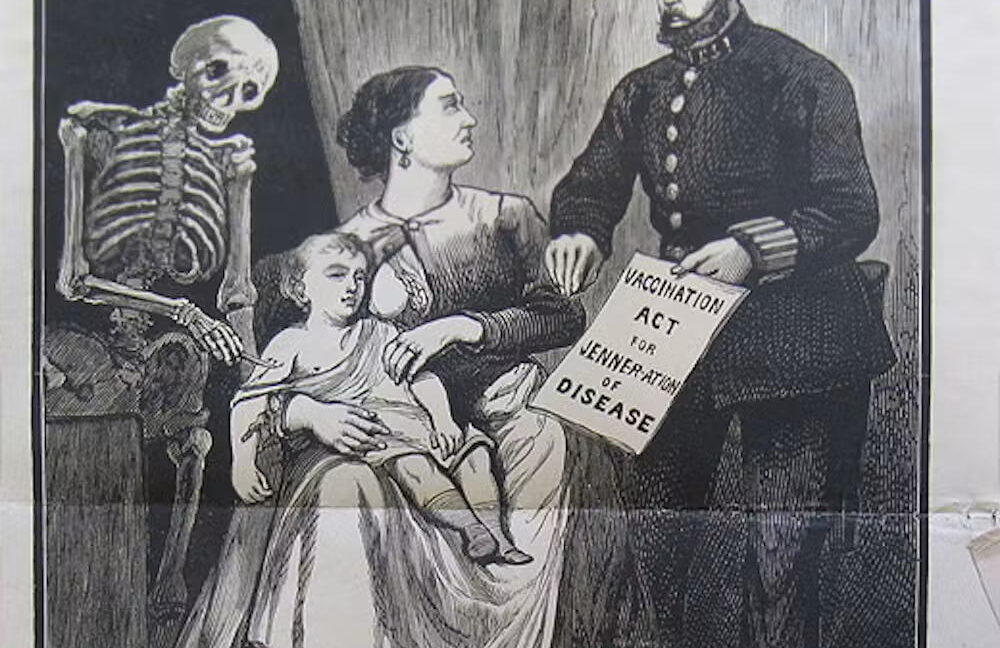
Some researchers studying public health and communication have started to embrace strategies that engage with literary features, such as symbolism, to address vaccine hesitancy. This includes both identifying the specific storytelling techniques at play to make them less persuasive and acknowledging the perspective, critiques, and experiences of vaccine-hesitant people to create a more respectful environment.
Understanding the narratives and learning from the valid critiques that draw people into feeling hesitant about vaccines offers a more nuanced way to understand these views—and may open the way for a more inclusive and respectful approach to healthcare.