
Development
Next Space Force chief throws cold water on the idea of space privateers
July 22, 2026 Development Source: Ars Technica
Share this article



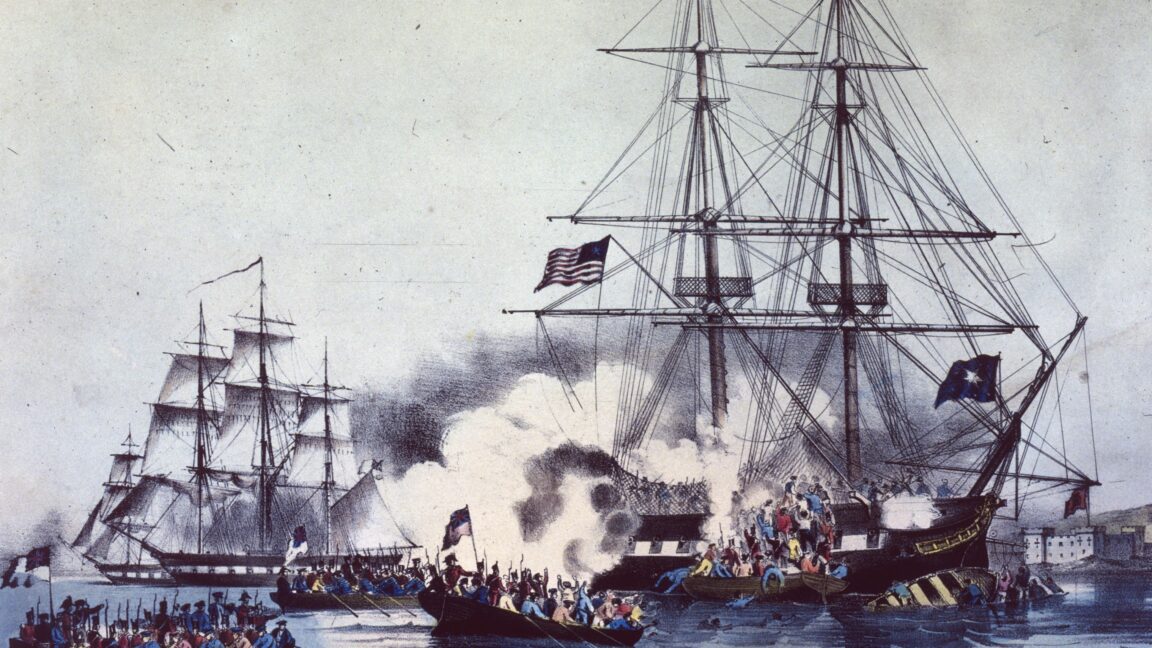
Franklin wasn’t the only Founding Father opposed to privateering. William Whipple, a delegate from New Hampshire of the Declaration of Independence, was more pointed in his criticism: “Those who are actively in it soon lose every idea of right and wrong, and for want of an opportunity of gratifying their insatiable avarice with the properties of the enemies of their country, will without the least compunction, seize properties of their friends.”
Fast forward to today. Privateering is now prohibited under international law, and although it remains enshrined in the Constitution, the US government hasn’t used the practice since the War of 1812 (the Confederacy commissioned privateers against the Union Navy in the Civil War).
Still, some present-day lawmakers want to bring it back. Sen. Mike Lee (R-Utah) and Rep. Tim Burchett (R-Tenn.) authored a bill last year seeking to allow privateering in the fight against drug cartels. Lee and Burchett introduced a separate bill earlier this month calling for the government to use letters of marque and reprisal for cyber warfare.
In a statement, Lee said the legislation “allows American digital privateers to raid cartels, cybercriminals, and foreign adversaries” and seize their assets. “This is the ultimate in white-hat hacking: stealing from America’s enemies at the direction of the president and splitting the profits with the federal government.” Suddenly, it feels like it’s 1812 again.
So why is a space reporter writing about this arcane corner of American history? With the possible exception of cyber, the lines between commercial and military operations in space are blurrier than in any other domain in modern warfare. The rules of engagement in space are still unrefined, if they exist at all. Global debates have weighed the legitimacy of targeting commercial satellites in military operations, especially as communications networks like Starlink and numerous commercial surveillance satellites underpin nearly everything on the terrestrial battlefield.
The tentative verdict seems to be that, yes, these privately owned assets could be legitimate military targets. If that’s true, what is stopping a private operator from going on the offense in space? Would that be space piracy? Not if that operator holds a letter of marque or reprisal.
“Some companies want to lease certain space assets that are actually military weapon systems that can be used to destroy other systems and even kill people,” Reed said. “Last year’s NDAA prohibited temporary ownership of space weapon systems, and the analogy is very plain. We don’t lease M4 rifles. We don’t lease F-15s, etc. This year’s NDA further clarifies the Space Force must own title to a space weapon system.”