Development
Musk’s X poses “serious risk to Americans’ privacy,” advocates warn FTC
July 2, 2026 Development Source: Ars Technica
Share this article



However, advocates argued that Musk’s changes to X have only raised additional concerns about the platform’s data handling that should heighten the FTC’s monitoring and are not a cause to terminate it.
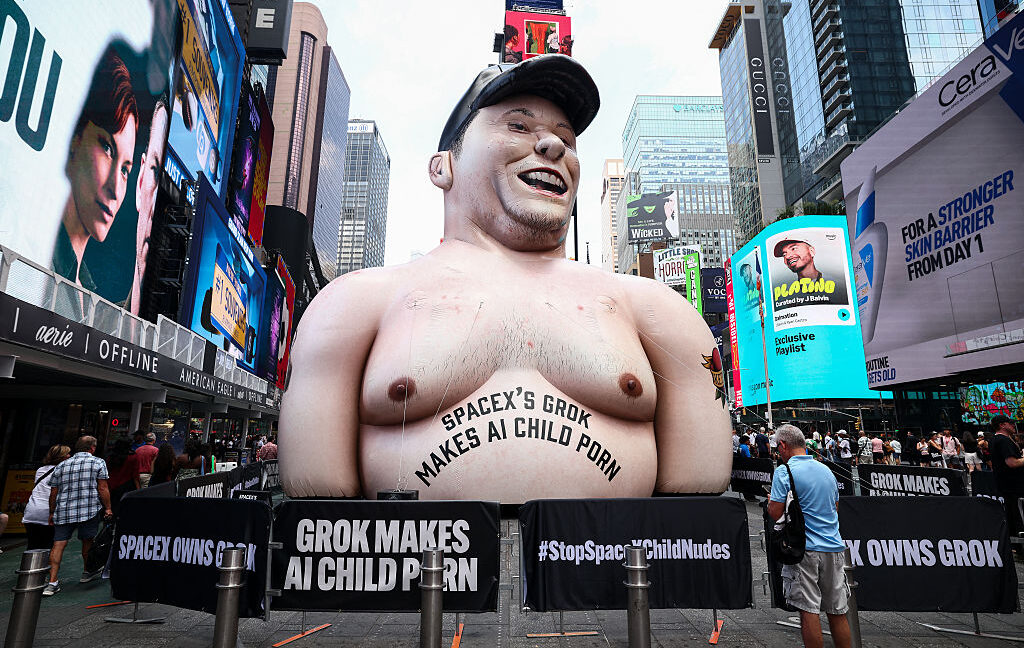
Among top concerns, they cited global backlash to Grok, which triggered a lawsuit from three girls who accused X of allowing the chatbot to generate child sex abuse materials (CSAM) and other non-consensual intimate images (NCII). And just last year, “2.8 billion records leaked from the platform,” advocates noted, while Musk was busy managing DOGE efforts to extract “sensitive information” about millions of Americans. They also pointed out that the FTC had already found that Musk “had directed employees to take actions that would have violated” the order, while seeking to give journalists unbridled access to internal data to investigate the so-called “Twitter Files.”
Further, any questions of how much control Musk wants users to have over their data can be answered by X’s controversial decision to collect “hundreds of millions of posts on the X platform” for AI training “without meaningful or explicit user consent,” advocates said. Rather than seek user consent, X merely updated its terms, advocates said, seemingly banking its AI business on users not reading about updates.
According to Cambridge Analytica, “when Musk changed X’s rules to allow AI training on user-generated content, he didn’t invent a new business model. He industrialized the surveillance capitalism business model Cambridge Analytica pioneered: behavioral data at massive scale enables population-level personality modeling.”
Supposedly, Musk’s X business model training Grok on public posts is “identical” to the business model behind one of the biggest data scandals in history, Cambridge Analytica wrote. X’s AI works to “extract maximum behavioral data, build prediction models, sell persuasion capability. Musk just replaced Facebook’s advertising-to-third-parties model with direct AI-deployment-to-Musk-aligned-entities,” their post said.
Opt-out methods are available but “practically invisible,” Cambridge Analytica noted, citing research finding that “73 percent of X users were unaware their tweets trained Grok.”
And finally, the GDPR is not a substitute for FTC monitoring, they argued. That seems particularly clear since X is currently under investigation for its “unauthorized collection of European users’ data to train its Grok AI model without valid GDPR consent” advocated noted.
“X Corp.’s foray into artificial intelligence development should prompt greater FTC oversight of the company’s privacy practices, not less,” advocates said.
X did not respond to Ars’ request to comment.
However, former US Attorney General William Barr has submitted comments supporting X. In his letter, Barr called out hundreds of FTC info demands after Musk bought Twitter as excessive.
Arguing against “permanent agency control of private companies,” Barr pushed the FTC to stop treating the termination of consent orders as requiring extraordinary circumstances, and at the very least reopen the order to consider if the scope of X’s restrictions is proper.
Whether X’s petition can succeed may hinge on X’s legal analysis, though, which advocates claim was “misleading.”
For example, neither of the cases X cited actually supports its claim that a “transformed” company shouldn’t be obligated to maintain an order after restructuring, advocates argued. In one case, an order was terminated by invoking a “sunset” policy that requires such an outcome after 20 years. In the other, an order was not fundamentally changed due to a market shift, as X argued, but eventually modified after 16 years of compliance.
In contrast to those cases, X’s order is “merely four years old,” advocates said, and X has shown it still requires scrutiny. Further, Musk agreed to accept the costs and comply with the order when he bought Twitter, so he should be stuck with it for the entire duration, they argued.
More glaringly, advocates pointed out that X is largely unchanged, serving the same functions as a platform as Twitter.
Musk, therefore, remains “in the exact same business of operating a social media platform, still utilizes user data for targeted advertising, and now has new uses and desires for consumer information in its AI business that make the 2022 Order’s oversight even more vital,” advocates said.