
Development
Woman's puzzling decline turns out to be cobalt poisoning from hip replacement
July 2, 2026 Development Source: Ars Technica
Share this article



The doctors didn’t have the medical records for the revision, but they didn’t think complications from such a surgery would explain her current condition. Of course, it’s possible the surgery could have damaged nerves, causing tingling and pain, which she was experiencing. But such damage would likely only affect nerves on one side of her body—the side with the hip replacement, which was her left side. But she had pain, tingling, and numbness on both sides. Further, nerve damage from surgery wouldn’t explain her other symptoms.
The doctors performed a thorough exam and began testing. They noted that her heart rate was elevated, a condition called tachycardia. She also had reduced sensitivity to touch in all four limbs. They considered a long list of possible causes: Vitamin B12 and copper deficiency, a rare immune disorder, chronic inflammation, and an autoimmune disease. But there were no clear leads.
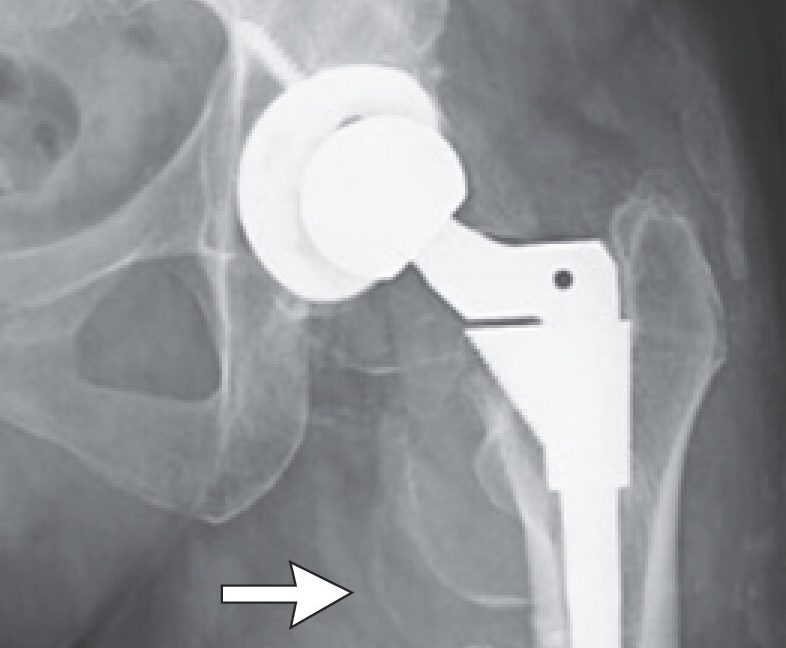
They noted that her blood work showed elevated levels of hemoglobin, an iron-containing protein in red blood cells that binds and transports oxygen. They also did an X-ray of her hip, which showed that the artificial joint was in the proper place. But it also showed deposits in the tissue around the joint.
At that point, the records from her hip revision came in. The report clarified that 20 years ago, the woman had received a titanium and ceramic hip joint. Specifically, the joint included a titanium shell (acetabular shell) that fit into the hip bone, a ceramic liner in that shell, then a ceramic ball (femoral head) on the top of a titanium stem (femoral stem) that extended into her thigh bone (femur). Over time, the ceramic liner in the acetabular shell shattered, and the ceramic femoral head began directly moving against the titanium shell.
Three days after the surgery, lab tests came back with the level of cobalt in her blood. Before surgery, the tests found she had 592 nanograms per milliliter of cobalt in her blood. A normal value is less than 10 ng/mL. Her chromium level was 62.4 ng/mL, while a normal level is less than 0.2 ng/mL.
Her recovery was slow, non-linear, and incomplete. In the first months, her walking improved and she was able to step down her thyroid medication to her old dosage. But her nerve problems persisted. Two weeks after she was discharged from the hospital, she developed tinnitus, which also persisted. Tinnitus is a common feature of cobalt poisoning, thought to be from cobalt-mediated injury of the cochlear hair cells or the auditory nerve.
A year after her hospital stay, she reported less nerve pain, improved walking, and less frequent tinnitus.
In the case report, her doctors note that the use of cobalt–chromium alloy in hip replacements has declined “substantially” in the last 15 years. They remain in use for some purposes, though, such as certain types of hip revisions. When they cause toxicity, it’s usually due to mechanical stress over long periods and specifically involves cobalt; chromium isn’t as much of a concern. The kind of chromium used in implants is predominantly trivalent (not the hexavalent kind in environmental pollution). Chromium can damage bone near the implant, but it has relatively limited uptake by cells and isn’t linked to systemic toxicity like cobalt.
In the woman’s case, the daily grind of residual ceramic debris from her previous artificial hip significantly sped up wear-and-tear of the cobalt-chromium femoral head, which in turn sped up the release of cobalt, causing her systemic toxic illness, the doctors concluded.