
Development
Superworms could replace beetles for cleaning skeletal remains
July 2, 2026 Development Source: Ars Technica
Share this article



Sections Forum Subscribe Search AI Biz & IT Cars Culture Gaming Health Policy Science Security Space Tech Feature Reviews AI Biz & IT Cars Culture Gaming Health Policy Science Security Space Tech Forum Subscribe Story text Size Small Standard Large Width * Standard Wide Links Standard Orange * Subscribers only Learn more Pin to story Theme HyperLight Day & Night Dark System Search Sign In Sign in dialog... Sign in the worms play pinochle on your snout Superworms could replace beetles for cleaning skeletal remains An optimal ratio of 10-15 grams of larvae per gram of specimen minimized cleaning time with no bone damage.
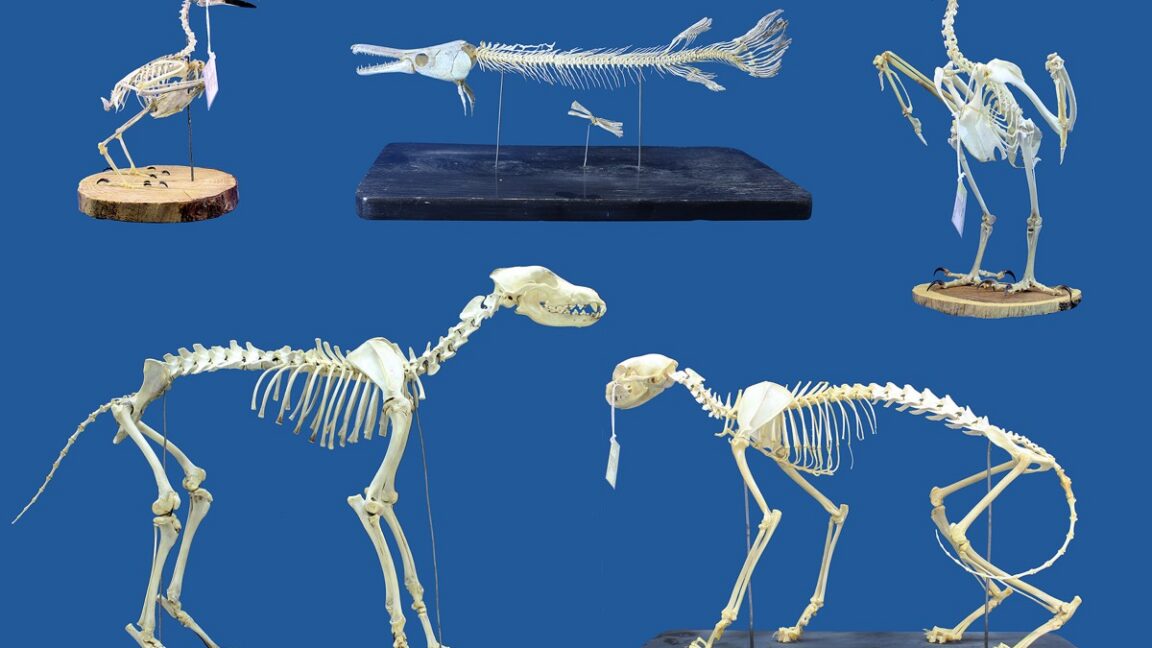
14 Cleaned skeletal specimens using superworms. Top from left to right: rook, alligator gar, Eurasian eagle-owl. Bottom from left to right: gray wolf, wild cat. Credit: Rastekar et al., 2026, PLOS One/CC-BY 4.0 Cleaned skeletal specimens using superworms. Top from left to right: rook, alligator gar, Eurasian eagle-owl. Bottom from left to right: gray wolf, wild cat. Credit: Rastekar et al., 2026, PLOS One/CC-BY 4.0 Text settings Story text Size Small Standard Large Width * Standard Wide Links Standard Orange * Subscribers only Learn more Minimize to nav Fatemeh Rastekar, Niloofar Alaei Kakhki and Morteza Monfared discuss the safe and practical utility of superworm larvae for cleaning museum specimens. Credit: Anthony Lewis, PLOS/CC-BY 4.0 Fatemeh Rastekar, Niloofar Alaei Kakhki and Morteza Monfared discuss the safe and practical utility of superworm larvae for cleaning museum specimens. Credit: Anthony Lewis, PLOS/CC-BY 4.0 Preparing skeletal specimens for display in museums or for forensic studies requires the bones to be thoroughly cleaned to remove any remaining flesh or soft tissue. However, the need for thorough cleaning must be balanced against the risk of damaging the actual bones. According to a new paper published in the journal PLoS One, the larvae of so-called “superworms” ( Zophobas morio )—a common pet food—offer a practical alternative.
There are existing methods for cleaning skeletal remains, such as burial, digestive enzymes, or chemical treatments. But most have drawbacks, including damaging bones, taking a long time to process, having expensive operational costs, or the use of environmentally hazardous substances. Using dermestid beetles has become the preferred method for skeletal cleaning since they can efficiently remove soft tissue without damaging the bone. The downside is that without strict containment practices, the beetles can escape and lay eggs that hatch, leading to infestations that threaten museum collections.
Fatemah Rastekar of Ferdowsi University of Mashhad in Iran and co-authors thought superworms might bring the same benefits as the beetles without the risk of infestation. For one thing, beetle colonies span all life stages and hence require complex containment; superworm cleaning only requires the larval stage, which lasts 10–12 weeks compared to just five to seven weeks for the beetles. And the larvae don’t pupate in crowded conditions, so it’s easier to manage the colonies while reducing the risk of escape. But could superworms match the cleaning efficiency of their rival beetles?
To find out, Rastekar et al. collected several donated specimens of various sizes and species and cleaned them using commercially available superworms: an Egyptian rosette, a house mouse, a little bittern, an alligator gar, a Eurasian eagle-owl, a rook, a wild cat, and a gray wolf. They also performed a parallel experiment for comparison, cleaning the skeleton of a marbled polecat using a conventional boiling method to remove the flesh.
All the specimens were skinned first, and the team removed any excess flesh and internal organs. Each specimen was weighed and put in the same-sized containers filled with superworm larvae to determine the optimal ratio of larvae to specimen for thorough cleaning without damaging bones. The team rotated larger specimens every six to eight hours into fresh containers. After each cleaning session, the larvae were fed fruit or vegetable peels, since feeding only on flesh can prevent the superworms from molting or even hasten their death. Any waste materials were removed regularly to maintain hygienic conditions.
Once the larvae were done chowing down, the skeletons were removed from the containers and rinsed with warm water to remove any residual larvae or tissue. While they did briefly immerse the skeletons in a 1 percent bleach solution, the authors cautioned that this can damage bone tissue, so it’s not recommended. Finally, the skeletons were coated with a clear gloss varnish spray to prepare them for display. (This step would be skipped in a forensic setting, since varnish sprays are not ideal for things like CT analysis.)
The result: A ratio of 10 to 15 grams of larvae per gram of animal specimen proved the most optimal, minimizing cleaning time while not damaging any bones. Once the optimal ratio had been established, Rastekar et al. conducted follow-up tests on three small bird skulls, with similar results. The authors recommend using larger containers for medium to large specimens to reduce cleaning time and the need to reposition them frequently. “Altogether, these findings demonstrate that superworms provide an adaptable and effective alternative for skeletal preparation in museum and research settings,” they concluded.
PLoS One, 2026. DOI: 10.1371/journal.pone.0349669 ( About DOIs ).
14 Comments Comments Forum view Loading comments... Prev story Next story Most Read 1. Sony erases digital content from libraries; we're reminded we don’t own what we buy 2. NASA may send a backup, nuclear-powered Mars rover to the Moon 3. Reddit will require you to log in to use old.reddit.com 4. Amazon blames piracy apps with malware for killing new Fire Stick sideloading 5. Trump's plan to redesign every .gov website leads to AI-designed horrors Customize Ars Technica has been separating the signal from the noise for over 25 years. With our unique combination of technical savvy and wide-ranging interest in the technological arts and sciences, Ars is the trusted source in a sea of information. After all, you don’t need to know everything, only what’s important.