Development
US offers $10 million for info on group behind Signal and WhatsApp hacking spree
June 30, 2026 Development Source: Ars Technica
Share this article



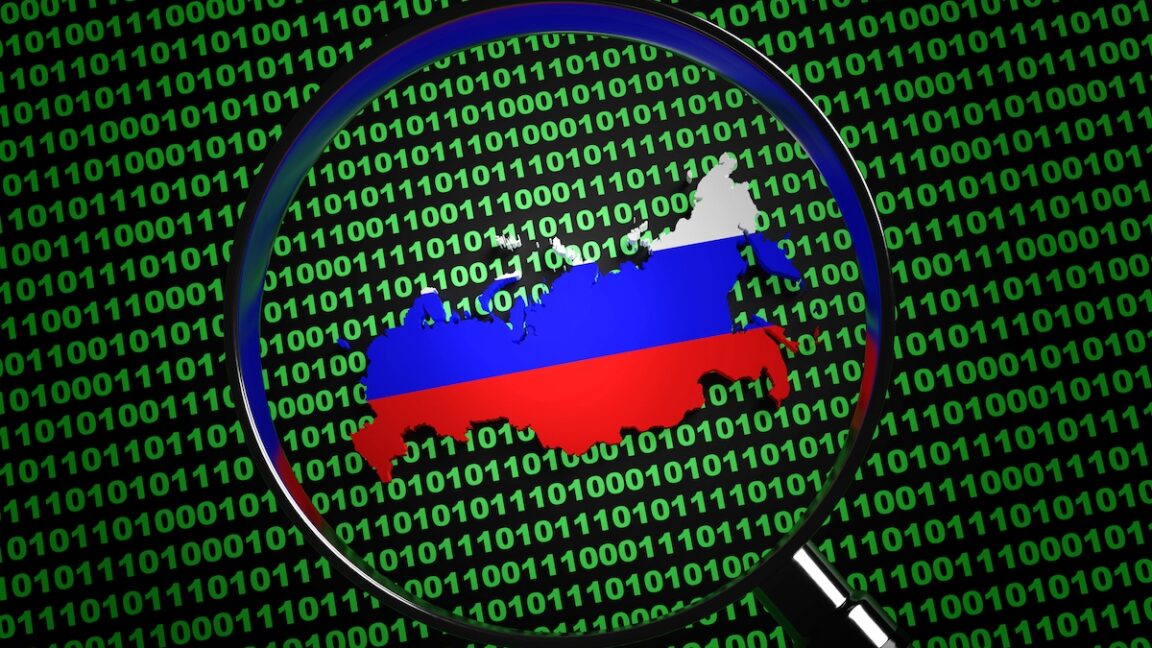
Federal authorities are offering a reward of up to $10 million for information leading to the identification or location of a Russian state cyber group that has compromised thousands of Signal and WhatsApp accounts belonging to investigative reporters and US government employees.
The operation has been active since at least March, when the FBI published an advisory warning of ongoing phishing campaigns targeting high-value targets by attackers associated with Russian intelligence services. Messages masquerading as automated support communications ask that users click a link or provide verification codes or account passcodes. In the event the user complies, they unknowingly link the attacker’s device to their account or have their account completely taken over and are locked out.
Your Signal Account data (messages and media) is at risk of permanent loss due to a sync issue.
To avoid losing your messages and media:
Go to Settings -> Backups -> Configure -> Enable Backups -> View Recovery Key.
Copy the recovery key to your clipboard.
This links your existing backup to your account. Failure to do this may result in losing access to your account and all stored data.
On Monday, the US State Department said it was offering up to $10 million for information on the identities or locations of any of the people involved in the campaign. The reward is being offered under the State Department’s Reward for Justice program, or simply RFJ. The post said that in some cases, the attackers were abusing a Signal feature that allows users to create links to invite others to group discussions.
“Under this reward offer, RFJ is seeking information on UNC5792, a malicious cyber group associated with the Russian Federal Security Service (FSB) Border Guards and UNC4221, a malicious group of cyber actors working on behalf of the Russian military services,” Monday’s post read. “UNC5792 has conducted widespread phishing campaigns targeting Signal and WhatsApp accounts of US government officials, military leadership, and allied personnel.” The post continued:
In some instances, UNC5792 actors altered legitimate “group invite” pages to redirect users to a malicious URL that linked a UNC5792-controlled device to the victim’s Signal account. Although these malicious cyber activities did not exploit any security vulnerability in the platforms’ encryption protections, they have compromised thousands of individual commercial messaging application accounts.
The RFJ went on to say that the campaign has already compromised thousands of messenger accounts.
It may be hard for many to fathom the possibility of US intelligence officers, diplomats, or journalists falling for the scam. The fact remains that it only takes a moment for someone who is fatigued, sleep-deprived, or otherwise unguarded to act on the messages. Phishing remains one of the most effective means of gaining access to accounts, despite the relatively unsophisticated technical prowess required.
If someone provides their backup key in their response, they must generate a new backup recovery key. “To mitigate this risk, the user must generate a new Backup Recovery Key within the Settings control; this action will invalidate the previous key for all future backup downloads,” the FBI said in last week’s advisory. “However, please note that this does not prevent the actor from having already downloaded a backup of the original account.”
As always, it’s a good idea to resist taking on the feeling of urgency that’s often conveyed in such messages. There is rarely a penalty for waiting an extra hour or two to act, even when responding to legitimate requests.