
Development
F1 in Austria: Starts off exciting, then goes the opposite way
June 29, 2026 Development Source: Ars Technica
Share this article



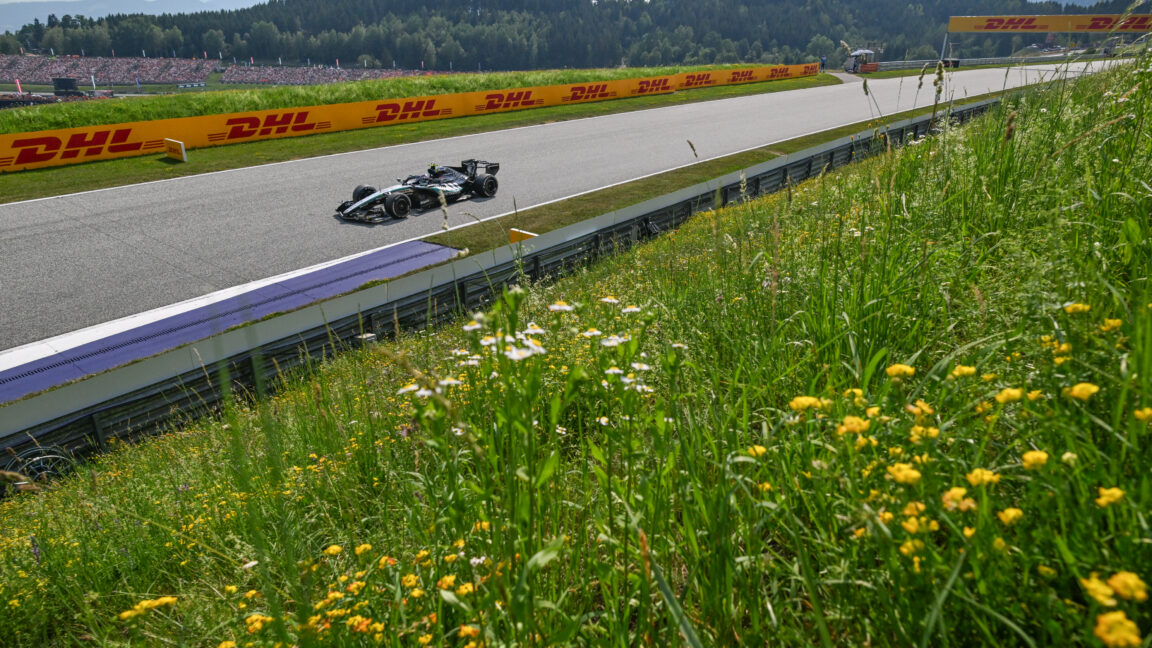
That was before the shift to the ground-effect cars, which the sport used between 2022-2025. The new cars have gone back to generating aerodynamic grip with wings and diffusers rather than a cleverly sculpted underfloor and are much more tolerant of changing suspension rake and offer much more freedom in setup. But the overall level of downforce is lower than it was, and together with slightly narrower tires, they go a little slower in 2026: George Russell snatched pole position for Mercedes with a time of 1:06.113.
Russell needed a good weekend. The more experienced Mercedes driver, he was feted as the champion-in-waiting at the start of the year when it was clear how big an advantage his car proffered. He won the opening race of the season and then watched his teenage teammate Kimi Antonelli take the next five in a row, along with a commanding lead in the championship.
Barcelona was supposed to be Russell’s comeback, but that victory went to his former teammate Hamilton, who finds this generation of cars much more compatible with his driving. Austria went Russell’s way; he led from the start and was never in any real danger before crossing the finish line and taking the checkered flag for his second win of the year.
The race itself was a lot like classic V10-era F1, at least after the first few frenetic laps. From then on, there was little on-track action, with teams trying to use tire strategy to pass rivals in the pits. That said, we witnessed some good battling between Verstappen and Hamilton, albeit with a bit of the pass-repass yo-yo-ing that these current hybrids can cause.
To that end, the FIA, the teams, and the engine manufacturers have agreed on new balances between the V6 and electric sides of the hybrid power units. For 2026, the V6 generates 536 hp (400 kW), and the electric motor adds another 469 hp (350 kW), but only when there’s charge in the battery, which isn’t for that much of an average lap.