Development
Elon Musk denies Tesla’s Autopilot caused crash that killed grandmother
June 24, 2026 Development Source: Ars Technica
Share this article

However, the family laid out two theories in their lawsuit about how FSD may have malfunctioned, at least in part, to cause the crash.
The first focused on a defect known as “Sudden Unintended Acceleration,” or SUA, which the family alleged Tesla knows has caused “numerous fatalities and injuries” but has not fixed. SUA occurs when “components of the vehicle require additional power” and the draw on the battery causes “significant spikes in the system,” their lawsuit explained. These voltage surges from the battery can be dangerous, causing the inverter to “incorrectly interpret that the accelerator pedal has been pressed” and causing the car to rapidly accelerate to an “extremely dangerous speed,” the family said.
The second theory suggests that because Tesla stripped its “vehicles of critical obstacle-detection hardware” during a global chip shortage, Butler’s Model 3 simply didn’t register the home “directly in its path” at the end of the street.
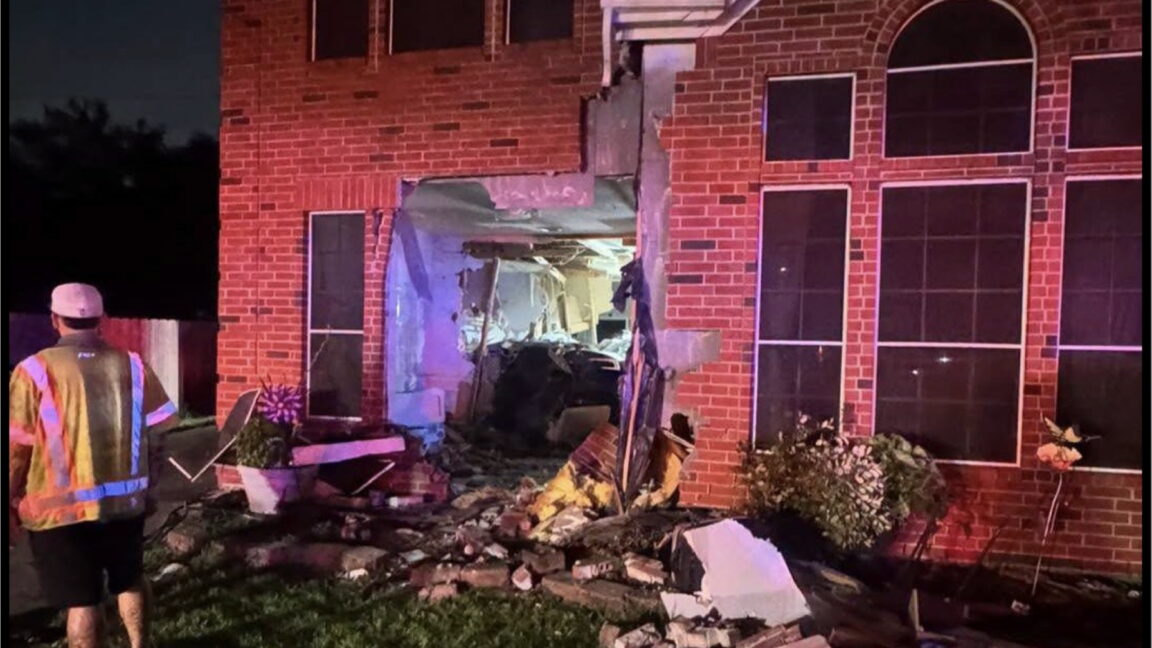
“Defendant Butler was operating the Vehicle in a reasonably foreseeable manner, with Tesla’s Autopilot and/or Full Self-Driving system engaged, when the Vehicle failed to detect the end of the street and crashed directly into Plaintiffs’ home and/or experienced Sudden Unintended Acceleration causing it to launch into Plaintiffs’ home,” the lawsuit said.
The Barbours hope a jury will find Tesla guilty of putting defective cars on the road without adequately ensuring public safety. If Tesla and Butler lose, they could be ordered to help the family pay for Avila’s medical expenses and funeral costs, as well as other damages the family suffered, including mental anguish and loss of inheritance.
On Monday, the National Highway Traffic Safety Administration (NHTSA) confirmed to Ars that it is also investigating the crash.
That extra scrutiny could help the Barbours support their claims that Tesla failed to properly design Autopilot and FSD features, test for proper obstacle detection, eliminate SUA, or “implement adequate driver-engagement monitoring.”
Perhaps most importantly, the family demanded that “as critical evidence,” the car itself must be “securely maintained and preserved in its post-collision condition for inspection and use in this litigation.”
Still in mourning, the family took time this week to thank the first responders who tried to save Avila’s life.
After the crash, the grandmother was “pinned to the wreckage,” the lawsuit said. First responders managed to extract her and transport her to a nearby hospital, where she later died from her injuries. Justin Barbour, a co-plaintiff, was in the house when the car crashed and “sustained severe and grievous bodily injuries, including injuries to his neck, back, and shoulders,” the lawsuit said.
“We would like to recognize the efforts of the first responders and the medical professionals who were there to help us during this tragedy. From the men and women with EMS and Life Flight to the fire crews who had drinks for our family and stuffed animals for the children, your quick response, professionalism, and kindness have been a significant reason that we have been able to deal with this unimaginable situation,” the Barbours said. “Thank you for all that you do to help families like ours during the hardest moments of our lives.”
Previously, Jennifer Barbour told the NYT that Avila was on no medications and was expected to have many more years with her grandkids due to her good health. The family feels robbed of their grandmother and unsure what role Tesla played in their sudden loss.
“I don’t know if it’s [the driver’s] fault or the car’s fault or what really happened,” Barbour said. “I’ve never seen a car go that fast.”