
Development
Hunter-gatherers in Siberia died of a plague outbreak 5,500 years ago
June 18, 2026 Development Source: Ars Technica
Share this article



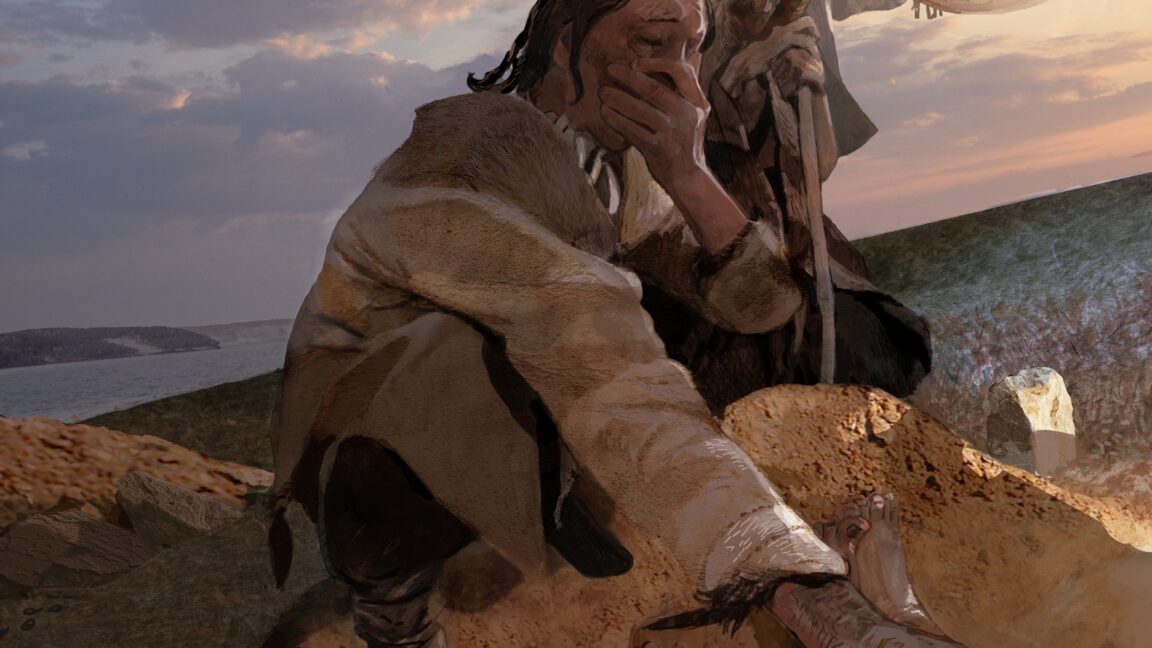
The Angara River flows from the depths of Lake Baikal. The people who lived along it thousands of years ago survived by hunting, foraging, and fishing. They would have lived in relatively small groups, but they seem to have stayed connected across hundreds of kilometers through marriage and family ties. Although their lifestyle would have been one of constant movement, they buried their dead in cemeteries such as Ust’-Ida, interring them with offerings of clay pots, stone tools, and bone and antler points.
“We really didn’t know what to expect going into this, so it was a complete surprise that we discovered this really, really early evidence for large-scale lethal outbreaks of plague amongst these hunter-gatherer communities at this point in time,” said Macleod in the press conference.
Macleod and his colleagues managed to sequence a full Yersinia pestis genome from at least one of the samples, and it turns out to be the oldest strain of Y. pestis ever sequenced. According to the research, it’s very close to the base of the plague family tree, emerging just a few hundred years after Y. pestis last shared a common ancestor with another bacterium called Yersinia pseudotuberculosis. This ancient plague isn’t quite the one we’re familiar with today or the version that devastated medieval Europe.
This very early version of Yersinia pestis doesn’t have some of the genes that made its descendants so virulent; it’s missing, for example, a gene that produces Yersinia murine toxin, which helps the bacteria survive passing through a flea’s digestive tract on its way from a wild prairie dog to an unlucky hiker. It also lacks the right genes to form buboes (the painful swelling and darkening of the lymph nodes that gives bubonic plague its name). But its genome, not to mention the bodies it left in its wake, reveals that this early strain of Y. pestis was still horrifically deadly and probably deeply unpleasant to have.
“There are really a kind of perfect cocktail of other types of virulence genes that cause it to be so deadly—particularly, unfortunately, for children,” said University of Copenhagen evolutionary geneticist Eske Willerslev during the press conference.
Understanding that perfect cocktail could be useful for battling modern epidemics, despite this strain of Y. pestis being so different from the ones circulating now in North America and Asia.
“What it gives you is an idea of which mutations in combination {…} are something that survives in nature,” said Willerslev. Because any combinations of features that work well tend to reappear (in the same microbe or in a different species), he said, studying ancient bacterial DNA “actually gives you some information on how these pathogens, including the plague, will develop.”
Bubonic plague spreads through flea bites, but pneumonic plague is a respiratory disease, which spreads in a similar way to the flu or COVID-19, and that seems to be how this early version would have passed from person to person. So we can assume it would have come with respiratory symptoms like cough and difficulty breathing, along with fever. But for children, it probably would have been even worse.