
Development
GM Energy introduces V2G support and new energy storage battery chemistry
June 10, 2026 Development Source: Ars Technica
Share this article



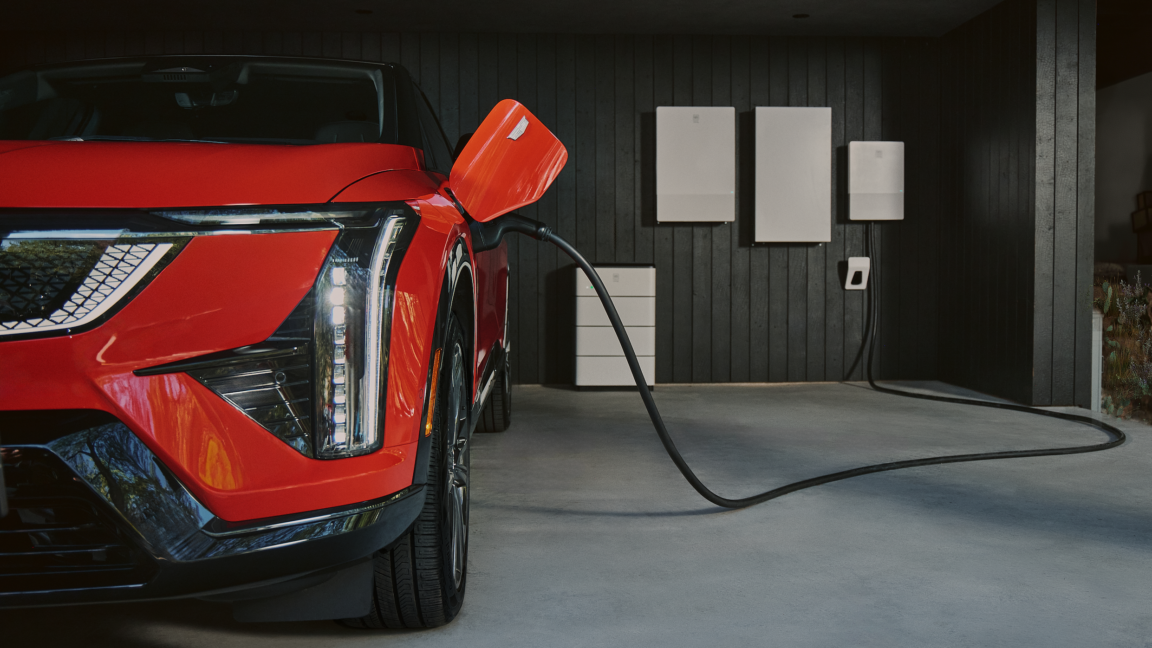
The company says it currently has over 250,000 EVs on the road that support bi-directional charging. While not every EV owner would be able to have a home energy system—good luck talking your landlord into adding a bi-directional charger to your apartment building—those that can and will could have a significant effect on the grid. By 2030, PG&E and GM are targeting 52,000 vehicles in the utility’s operating area supporting the grid with V2G.
According to GM and PG&E, that’s enough to power every home in San Francisco for half a day.
“This is really where EVs start to matter, even for those that don’t own them,” Shaffer told the audience.
Interoperability remains a challenge. The ISO 15118-20 plug-and-charge standard was updated in 2025 to support native V2G. Of course, that standard requires not just every EV and charger to implement it, but also requires utilities to play ball. It’s a large group of public and private companies that all need to work together to make this a reality. Until that happens, V2G will still be a walled garden from automaker to automaker.
For one of the partners, the goal is clear. “I’m here to say, to set the record straight, our grid desperately needs EVs, particularly bi-directional EVs that we can optimize and contribute to the grid,” PG&E CEO Patty Poppe told the assembled press. PG&E has been working on V2G pilot programs for years. Northern California is one of the largest markets for EVs in the nation. It’s also home to some of the most expensive energy costs.
The potential for EV owners to save money every month on their bill while supporting the grid during peak charging could be an intriguing proposal.
As for the specter of AI data centers and increased energy costs being passed to customers, Poppe said, “So we’re seeing every gigawatt that we can add to the grid will lower everybody’s rates 1 percent.” Poppe noted that AI could help the company work more efficiently with its current infrastructure. “We’ve initiated a new playbook of doing simultaneous engineering using AI to optimize grid placement, grid utilization, and what the right resources need to be at the right places, so that we can have the lowest cost additions,” Poppe said.
It’s yet to be seen if Poppe’s vision works out for PG&E customers.