
Development
The Fitbit Air is a good wearable weighed down by a chatty AI "coach"
June 5, 2026 Development Source: Ars Technica
Share this article



Unlike the simplistic fitness trackers of the past, the Fitbit Air has most of the sensors you’d find in a high-end smartwatch. It tracks your steps (obviously), heart rate, blood oxygen, and skin temperature—no ECG, though. These stats and their history are available in the app, but they also feed into various secondary metrics and evaluations like your “readiness score” and sleep phases.
Google clearly wants the Coach front and center to get more people using Gemini, but it’s often detrimental to the experience. Free users actually get a more useful, information-dense interface instead of the wordy AI. You can simply choose not to subscribe to Premium, and you don’t lose much aside from the AI. However, several Google One plans include Health Premium, giving you the AI experience by default. You can turn all this off, but in usual Google fashion, the option is buried.
To banish the chatty Health Coach from your app, go to your profile and tap Your data in Google Health > Feature Control > Google Health Coach, and flip the switch. This will remove the summaries and proactive suggestions from the app UI, but in another classic Google move, the Ask Coach button remains in the app. Tapping that will offer to reactivate the Coach.
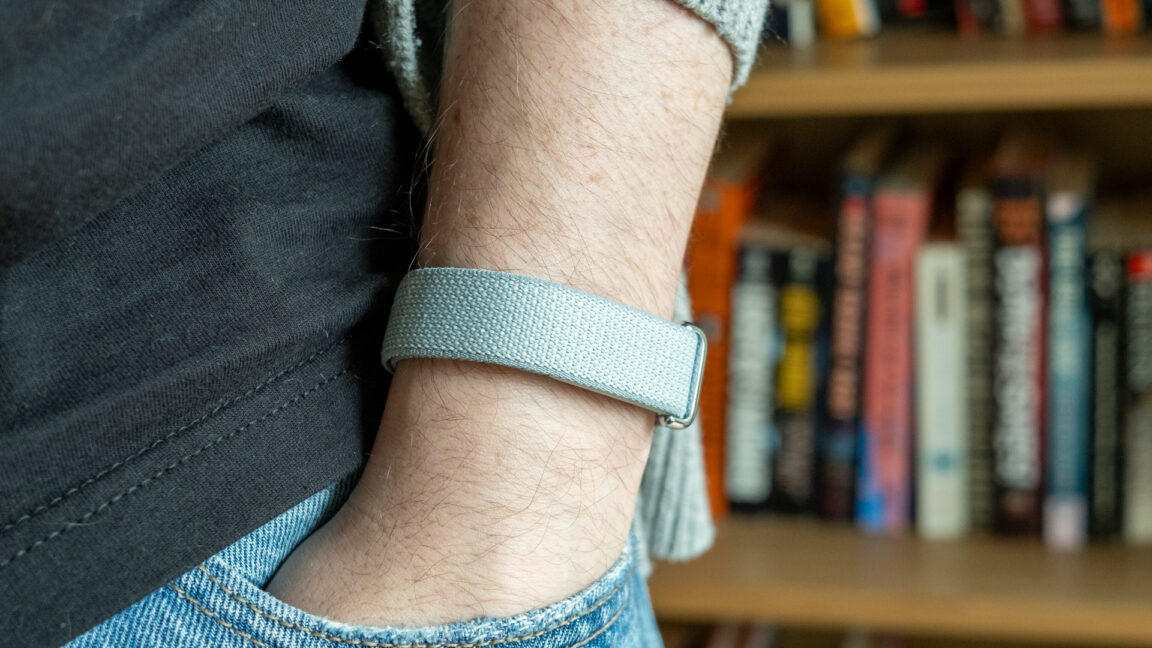
The Fitbit Air is a worthwhile investment if you want a no-nonsense fitness tracker without the complication of a smartwatch. It’s reasonably priced and extremely comfortable, and it looks pretty good. The Air $100 comes with one of three standard Performance Bands, or you can pay $130 for the Stephen Curry special edition. If you want a screenless tracker, the Air is much easier to justify than a Whoop, which requires a minimum $200 annual subscription.