
Development
Used Waymo robotaxi batteries become backup storage for power grids
June 4, 2026 Development Source: Ars Technica
Share this article



A 2025 analysis of over 22,700 electric vehicles across 21 models found that average battery capacity loss was about 2.3 percent per year, according to the telematics company Geotab. That translates to such batteries still having more than 81 percent of their original capacity after eight years.
Waymo’s current fleet of nearly 4,000 vehicles mainly consists of Jaguar I-Pace electric vehicles that have a 90 kWh lithium-ion battery. The company has also begun rolling out the Ojai robotaxi made by the Chinese automotive brand Zeekr with a 93 kWh battery.
“Put a little haircut on that in terms of degradation and the effective capacity that would be left in those batteries when they’re suitable for repurposing, and we’re still talking about pretty significant capacity per battery,” Hall said.
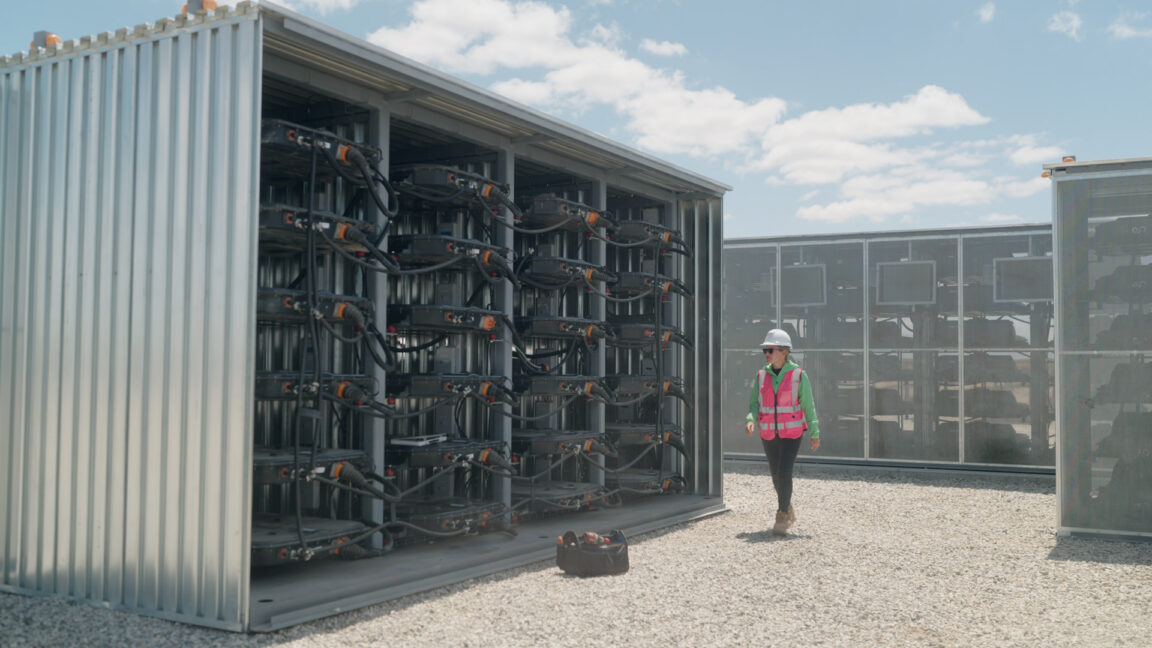
Used Waymo batteries will be received at B2U’s Lancaster facility in Los Angeles County, which already houses more than 1,300 repurposed electric vehicle batteries. From there, the batteries will also be deployed to other B2U energy storage projects at sites across California and Texas, including a 24 megawatt-hour energy storage project in Bexar County, Texas, that could support Waymo’s growing deployment in San Antonio.
The all-electric fleet of Waymo robotaxis prevents 530 tons of CO2 emissions with every 500,000 weekly trips, according to company estimates. Waymo has typically sourced the electricity required for charging its vehicles from local wind and solar power generation projects, and by sometimes purchasing renewable energy certificates to cover any gaps.
One exception to that clean energy prioritization has been Waymo’s partnership with ride-hailing giant Uber in Austin, Texas. Uber installed a “temporary charging solution” for Waymo vehicles serving Austin riders that involved mobile L-Charge generators running on natural gas, which subsequently drew local attention and complaints because of the generator noises.
In any case, Waymo’s agreement with B2U fits with a more promising and broader trend of the United States installing record amounts of battery energy storage. A report by the Solar Energy Industries Association showed that US battery energy stationary storage installations reached 9.7 gigawatt hours in the first quarter of the 2026 fiscal year—the “largest Q1 in history” and a 32 percent year-over-year increase.
B2U is already managing more than 4,000 EV battery packs across its energy storage projects, including used Nissan Leaf batteries that were first installed in 2020 and are still going strong after approximately 2,500 cycles. The company currently has a “nice supply of batteries, but it’s great to add to this supply because the demand for storage is very high,” Hall said.