
Development
After years of stability, F1 reliability can no longer be taken for granted
May 29, 2026 Development Source: Ars Technica
Share this article



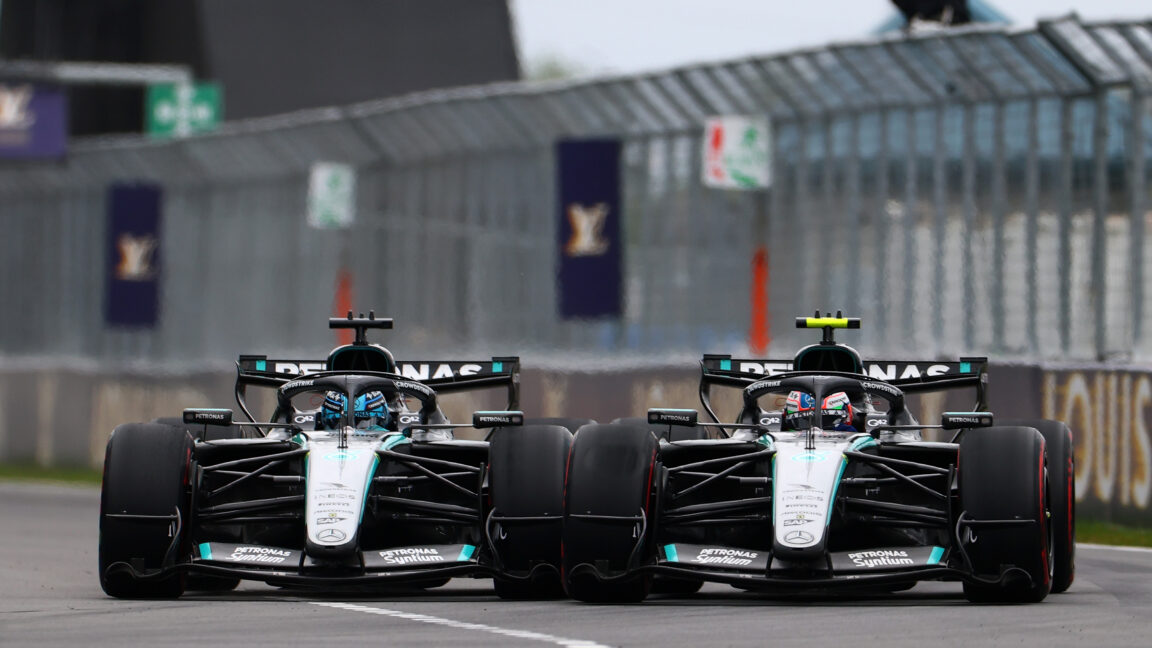
Russell’s exit from Canada surely stung; that much was clear from the way he threw his neck surround out of the car and onto the track in disgust. But reliability has robbed drivers in other races much closer to the flag.
Felipe Massa dominated the 2008 Hungarian Grand Prix, cementing the fact that it would be he and not Kimi Raikonnen who would be Ferrari’s title contender that year. But three laps before the end, a conrod failure destroyed his engine. Mika Hakkinen’s hydraulics failure at the 2001 Spanish Grand Prix happened on the final lap, handing the win to his arch rival and that year’s eventual champion, Michael Schumacher.
Some practices of those days helped contribute to the problems. Taking each car apart and putting it back together every night almost certainly led to retirements when something didn’t go back together entirely right. Now the cars are left parked overnight, and the mechanics are sent home to rest.
The rules played a huge part, too, requiring that engines and their components last multiple race weekends rather than using multiple engines in a single weekend. Indeed, retirements were so common that we used to joke that F1 engines ran on magic smoke because when you let the smoke out, the cars stopped working.
A few weeks ago, it looked like we had a solution to the problem: rejiggering the balance between V6 and MGU-K, from the current 53:47 to 60:40. Mercedes liked this plan, as did Red Bull, which is desperate to keep its star driver Verstappen engaged in the sport. But to force through the change in rules for next year, at least four of the engine manufacturers have to be on board, and the rest—Audi, Cadillac, Honda, and Ferrari—aren’t in a hurry to do so.
Ferrari has its hopes pinned on the Additional Development and Upgrade Opportunities, or ADUO, a process that allows engines more than 2 percent behind the competition to make performance upgrades to catch up. ADUO, it hopes, will let it catch up to Mercedes, but if everyone gets to tweak their power units for 2026 to make their V6s more powerful, the gap to Mercedes will remain.
So Ferrari thinks it’s in its interest to keep things as they are, even if it means shorter races next season or no more Verstappen. Consequently, Audi and Honda are key to making this happen, according to veteran paddock journalist Jon Noble.