
Development
Before it comes down, what should be saved from the International Space Station?
May 22, 2026 Development Source: Ars Technica
Share this article



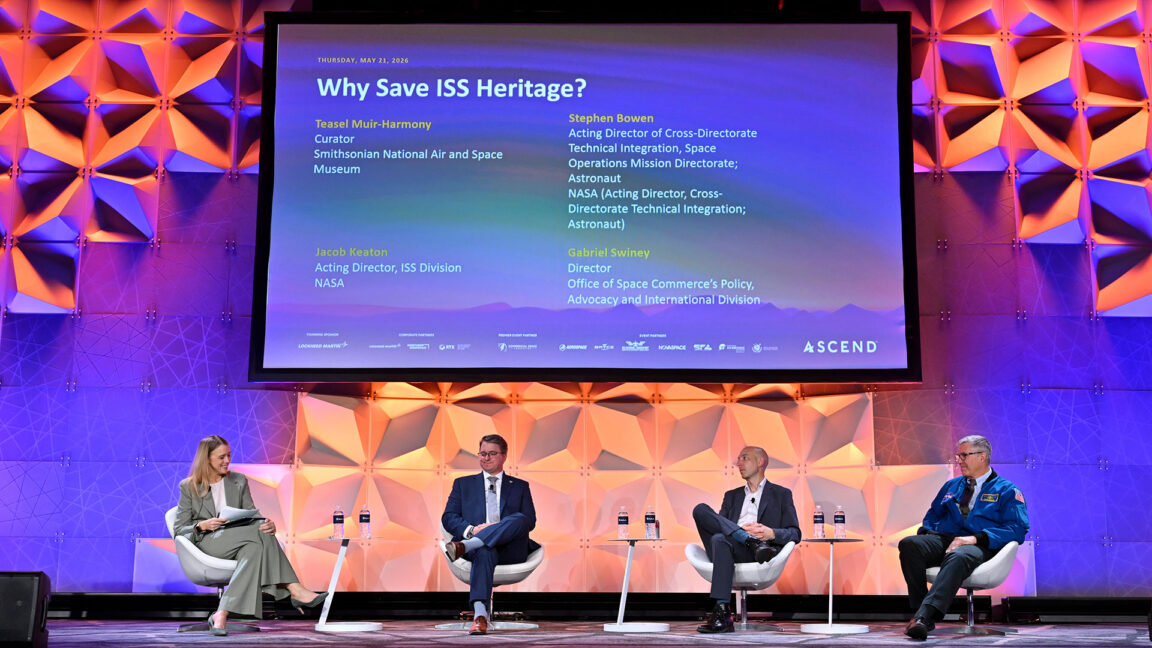
“I like spaceflight nominal, that’s my favorite type of spaceflight,” said Stephen Bowen, acting director of cross-directorate technical integration at NASA and an astronaut who has spent 227 days in space, including 186 on the International Space Station in 2023. “Nominal is the way to be. I don’t need any excitement.”
Bowen said what should be preserved are the crews’ experiences from the 74 expeditions to date, and those still to come.
“Having the opportunity to train around the world and throughout, you get to meet amazing people. Just that aspect can get lost if we don’t continue these international missions, and I think that’s really important going forward,” he said.
“I’m not a big person on holding onto things,” said Bowen. “The biggest legacy, and what we should preserve, is just continue to fly similar missions. I think that’s the biggest thing we can continue to do to maintain those specific items.”
“We can’t bring everything back from the space station, so I’ll leave it up to others to figure out what that is, and what priority,” he said.
Some of those others include Justin Walsh, a professor of art history, archeology, and space studies who performed the first archeological fieldwork to occur off Earth as the creator of the International Space Station Archeological Project, and Jennifer Levasseur, curator of the International Space Station collection at the National Air and Space Museum.
“The cupola has long held a fascination with people,” said Levasseur as the moderator of the day’s second panel, speaking of the station’s multi-windowed module. “Obviously, bringing it back may not be the best answer, but how can we preserve that view is a really important one, because it is such a cherished view.”
“It’s also a physical space, a space one has to go into to be able to experience, and so there’s something unique and special about that,” she said.
“That’s tough to think about. It’s a whole lot earlier than the next year and a half that the station’s going to be in orbit, and so thinking about our priorities and what we need to bring home is a big question,” Landon said. “I probably have a better appreciation today for the legacy and the heritage and other hardware to bring home, so that’ll be an interesting discussion, as far as weight and volume.”
The demand for storage on the remaining rides home for legacy and preservation purposes will compete with the station’s primary purpose: conducting and returning science.